Ever tried to open a PDF and got slapped with a ‘Parse Error’ message? It’s annoying, especially when you need that file ASAP. This guide is for anyone who’s faced this cryptic error and wants a simple, no-nonsense fix. By the end, you’ll have your PDF working again—or at least know exactly what to try next.
I’ve been there myself, and after digging through forums and testing tools, I put together these steps that actually work. Whether you’re a student with a thesis or someone who just got a gibberish PDF from a client, these methods will save you. No tech wizardry required.
What You’ll Need
- A computer (Windows, Mac, or Linux)
- The problematic PDF file
- Internet connection (for online tools)
- A PDF repair tool (free or paid, I’ll recommend a few)
Step 1: Identify the Error
First, make sure it’s really a parse error. Typical messages include ‘Could not parse PDF file’, ‘Error parsing document’, or just ‘Parse Error’. Sometimes the PDF opens but shows junk text. Note the exact error—it’ll help later. If your PDF is completely blank instead, check out how to repair blank PDF.

Step 2: Try a Simple Fix – Re-download or Re-save
Often a parse error means the file got corrupted during download or saving. Delete the file and get a fresh copy. If you downloaded it, try again from the source. If you created it (say from Word), export it again. Sometimes a simple retry is all you need. This is the same first step you’d use to repair a PDF after download.

Step 3: Use an Online PDF Repair Tool
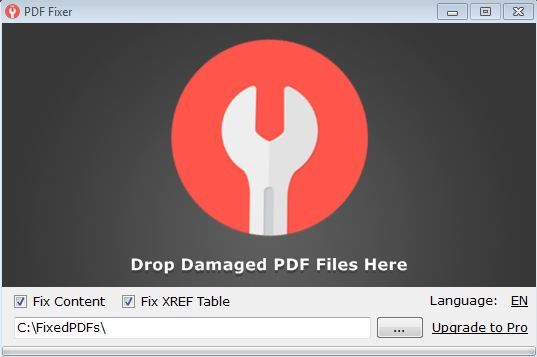
If re-downloading doesn’t work, turn to an online repair service. These tools can often fix minor corruption and parse issues. Upload your file, let the tool work its magic, then download the repaired PDF. I recommend using a trusted service—check out our guide on broken PDF repair online for reputable options. Most are free for small files.

Step 4: Use a Desktop PDF Repair Software
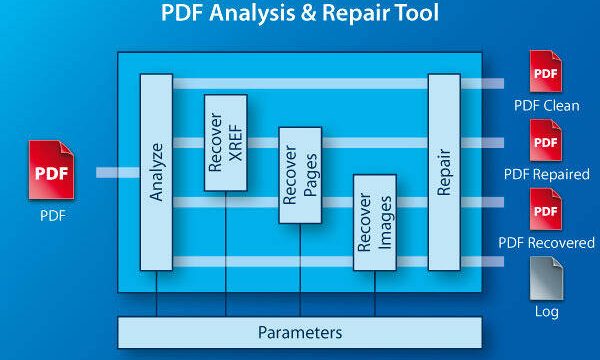
For stubborn errors, desktop software gives you more control. Programs like Adobe Acrobat Pro or third-party tools can reconstruct the PDF’s internal structure. Look for software that can fix PDF stream errors—some parse errors come from broken content streams. Follow the prompts and save the repaired file. This method works well even if your corrupted PDF file is severely damaged.

Step 5: Extract Pages if Repair Fails
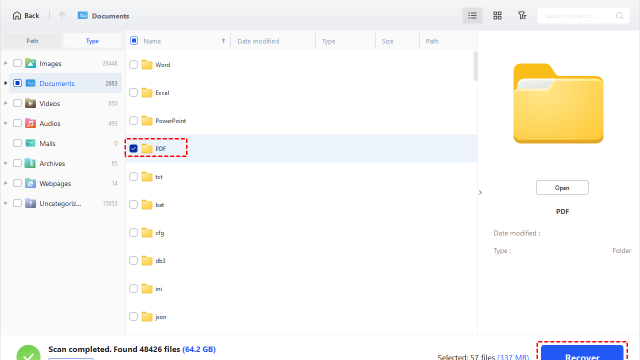
Sometimes the PDF is too far gone. But you might still salvage individual pages. Use a tool that can extract pages from a corrupted PDF—it might skip damaged parts and give you readable content. Open the PDF, go to ‘Pages’ panel, and try extracting one page at a time. If you get something, you can rebuild the PDF from the good pages.

Common Pitfalls
- Not backing up the original file – Always keep the original copy before attempting any repair, because some tools can make it worse.
- Using scammy online tools – Some online repair sites are malware traps. Stick to well-known services or those recommended in our guides.
- Ignoring the file source – If the PDF came from an unreliable source, the parse error might be intentional. Check with the sender before wasting time.
Where to Next
You’ve fixed your parse error—nice! But if you run into other PDF issues, we’ve got you covered. Check out our guides on fixing blank pages, recovering password-protected PDFs, or choosing the best PDF repair software. And remember, most problems can be solved with patience and the right tool. Happy repairing!