Ever opened a PDF only to see blank pages, random symbols, or an error saying the file is damaged? That usually means the PDF’s content stream is corrupted. The stream is where all the text, images, and shapes live, and when it breaks, the whole file becomes unreadable. This guide is for anyone who has a PDF that fails to display properly but still has a reasonable file size (not 0KB). By the end, you’ll have a working PDF with its content restored, using methods that range from a simple text editor fix to specialized tools.
I’ll walk you through three approaches: manually editing the stream, using free online repair tools, and running command-line utilities like QPDF. Each method is tested and step-by-step, so even if you’re not a tech expert, you can follow along. Let’s get your PDF back in shape.
What You’ll Need
- The corrupted PDF file (keep a backup!)
- A plain text editor like Notepad++ (Windows) or BBEdit (Mac), or any code editor
- An internet connection for online tools
- Optional: QPDF command-line tool installed on your computer
- A second PDF that opens correctly for comparison (if available)
Step 1: Diagnose the Stream Problem
First, confirm the issue is indeed the content stream. Open the PDF in a viewer like Adobe Acrobat or your browser. If you see pages that are blank or display garbage text, the stream may be corrupt. Also check the file size: if it’s 0KB, the stream is empty entirely — check out our separate guide on how to repair 0kb pdf. For today, assume the file has data but the stream structure is broken.

To verify, open the PDF in a text editor (e.g., Notepad++). Scroll until you see “stream” and “endstream” markers. The data between them should look like compressed binary (often starting with “xœ”). If the data is cut off, contains invalid characters, or the stream block is missing, you’ve found the problem.
Step 2: Manual Repair with a Text Editor (Simple Fix)
If the stream appears truncated or has a small error, you can often fix it manually. Make a backup first. Open the PDF in your text editor. Locate the broken stream. Look for missing “endstream” or extra whitespace. Ensure the stream object ends correctly like this:
stream
…compressed data…
endstream
If you see “endstream” missing, add it after the last data line. If the data contains plain text that looks like readable content (not compressed), the stream may be uncompressed — in that case, you can try to copy the data and re-embed it. But often, manual editing is just a temporary fix; for persistent issues, use a dedicated tool.

Step 3: Use an Online PDF Repair Tool
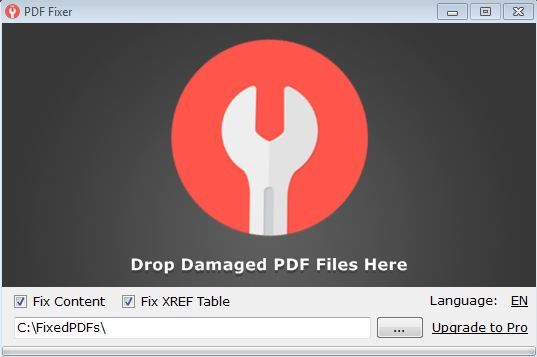
If manual editing feels too risky, online tools can automatically rebuild the stream. I recommend a tool that specifically repairs the content stream, not just the file structure. Upload your PDF to a service like PDF Repair Tool (search for a reputable one). After repair, download the fixed PDF and check if the content displays. For example, the best pdf repair tool we reviewed handles stream corruption well.

Step 4: Repair Stream with QPDF (Command Line)
For a robust solution, use QPDF, a free command-line tool that can regenerate the PDF structure including content streams. Install QPDF from its official website. Then open a terminal and run:
qpdf –linearize –replace-input corrupted.pdf
This linearizes the PDF, which often fixes stream issues. If that fails, try:
qpdf –qdf –object-streams=disable corrupted.pdf output.pdf
Then open output.pdf. The –qdf flag creates an editable QDF file, which can fix internal stream references. If your PDF has XREF table problems too, see our guide on pdf xref repair for extra steps.

Step 5: Validate the Fixed PDF
After any repair method, validate the PDF. Open it in multiple viewers (Adobe, browser, Preview). Check that all pages render correctly with text and images. Use the PDF Validation Tool built into Acrobat (Preflight) or an online validator. If you still see issues, the stream may have deeper corruption; try combining methods. Also check if the file size changed drastically — a much smaller file might indicate data loss. For comprehensive validation, refer to our pdf validation repair guide.

Common Pitfalls
- Forgetting to back up the original — always keep a copy before editing; otherwise you might lose data permanently.
- Using the wrong text editor — notepad on Windows may add extra characters; use Notepad++ or a hex editor for binary streams.
- Assuming online tools are safe — some upload services may not respect privacy; use trusted ones or stick to local methods.
If your PDF came from a USB drive that was removed improperly, check out our guide to fix pdf from usb for specific steps. Also, if the PDF is malformed beyond stream repair, the malformed pdf repair guide covers other structural fixes.
Where to Next
Now that you’ve fixed the stream, your PDF should work normally. If you still encounter issues, the corruption might be in other parts of the file. Try extracting pages or repairing the XREF table. Keep learning with more tutorials on our site, and always maintain backups to avoid future headaches.