Ever spent ages on a document, only to hit ‘Upload’ and get an error? Frustrating, right? This guide is for anyone whose PDF upload failed—whether you’re submitting a resume, sharing a report, or sending a contract. By the end, you’ll know exactly how to diagnose and fix the issue, so you can get your file where it needs to go.
We’ll cover the most common reasons for upload failures: corrupted files, size limits, and server hiccups. You’ll learn quick checks first, then a step-by-step repair process using free tools. No technical expertise required.
What You’ll Need
- Your corrupted PDF file (the one that failed to upload)
- A computer (Windows or Mac)
- An internet connection
- A free browser-based PDF repair tool (we’ll point you to one)
- Optional: Adobe Acrobat Reader (free) for viewing
Step 1: Check the Obvious – File Size and Format
First, make sure your PDF isn’t too big. Many upload services cap files at 25MB or 10MB. Right-click your PDF, select Properties (Windows) or Get Info (Mac) to check. If it’s over the limit, you’ll need to compress it using a free online compressor. Also, confirm the file extension is .pdf. Sometimes a different extension gets renamed incorrectly, causing failed uploads.

Step 2: Try Re-uploading or a Different Browser
Sometimes the upload fails due to a temporary glitch. Refresh the page and try again. If it still fails, switch browsers (e.g., Chrome to Firefox or Edge). Clear your cache and cookies too. This simple step resolves many mysterious failures.

Step 3: Use a PDF Repair Tool
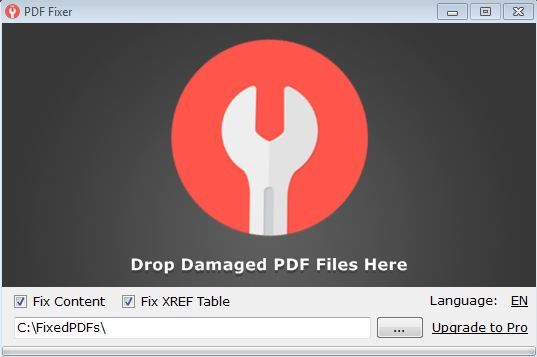
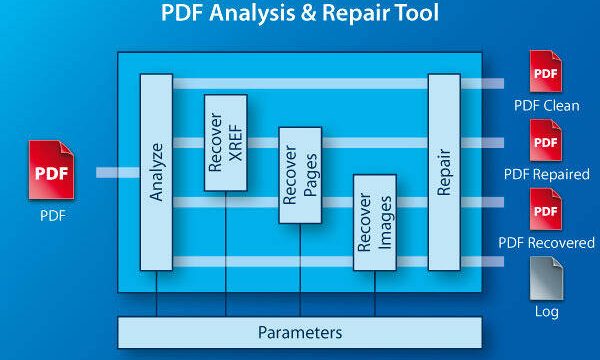
If the file is corrupted, you’ll need a repair tool. We recommend a free online tool that lets you repair a pdf without logging in. Go to PDFRepairs.click and upload your broken PDF. Click ‘Repair’, then download the fixed version. If you’re curious about why your pdf is unreadable, check out that guide for deeper diagnosis.

Step 4: Fix Common PDF Structure Issues
Corrupted PDFs often have broken internal references, like a missing xref table. You can manually repair a broken xref table using tools like PDFTK or an online service. If the file shows as 0KB, you might need to repair a 0kb pdf. For files from external drives, see the guide on fixing a pdf from a usb drive. Each of these issues has a dedicated fix.

Step 5: Validate After Repair
Once repaired, open the PDF and verify it looks right. Check all pages, images, and text. If you still see issues, run a thorough validation. Then re-upload your file. It should work now. If not, the problem may be on the server side—contact the upload portal support.

Common Pitfalls
- Ignoring the error message: The upload error might tell you exactly what’s wrong (e.g., ‘file is corrupt’). Read it carefully.
- Using the wrong tool: Not all PDF repair tools are equal. Avoid ones that ask for payment upfront. Stick with free, trusted options.
- Forgetting to save a backup: Always keep the original file. If a repair fails, you’ll need it to try a different method.
Where to Next: Got your PDF uploaded? Great! If you want to prevent future issues, learn how to maintain healthy PDFs or check out our other repair guides. Until next time, happy uploading!