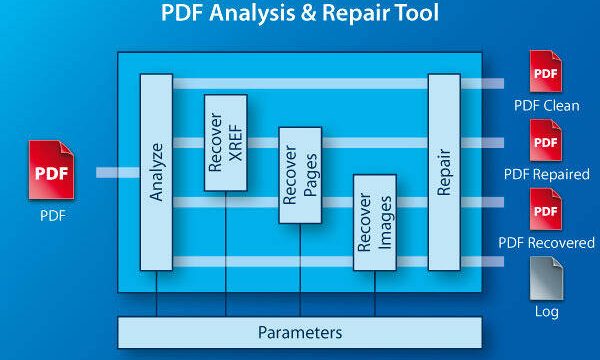
So your PDF won’t open, keeps throwing errors, or looks like a mess of random characters. Don’t panic — a corrupted PDF doesn’t mean your data is gone for good. This guide is for anyone who’s ever stared at a broken PDF and wondered what to do next. By the end, you’ll have a working PDF (or at least your content recovered).
We’ll walk through simple checks, free online tools, and a few desktop tricks. You don’t need any special skills — just a computer and an internet connection. Let’s get that PDF fixed.
What You’ll Need
- The corrupted PDF file
- A computer with internet access
- A PDF reader (like Adobe Acrobat or a browser)
- Optional: a Google account (for Google Drive trick)
Step 1: Confirm It’s Really Corrupted
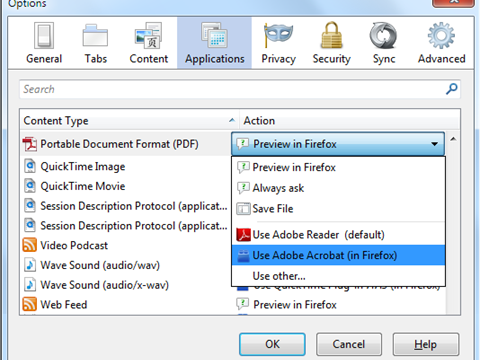
Before diving into repairs, make sure the file is actually corrupted and not just a glitch with your PDF viewer. Try opening the file in another app — for example, drag it into Chrome or Firefox. If it opens fine, the issue is with your reader. If not, it’s likely corrupted. You can also run a quick check using a dedicated corruption checker to be certain.

Step 2: Try an Online PDF Repair Tool
Free online tools can fix many common corruption issues. Upload your file to a trusted service like the online PDF repair tool — it will scan and attempt to rebuild the PDF. This works best for minor corruption like broken links or missing pages. After processing, download the repaired file and open it in your reader.
Step 3: Use Desktop Software for Serious Corruption
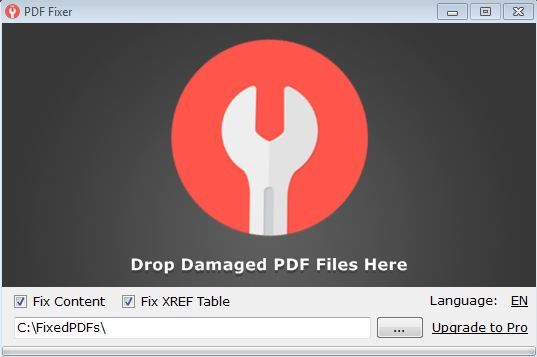
If online tools fail, you need something more powerful. The best PDF repair software can handle severe corruption like damaged XREF tables (cross-reference tables that tell the reader where content is). Install one of these programs, open the corrupted file, and let it do its magic. For example, a dedicated XREF table repair can fix files that won’t even open.

Step 4: Extract Content as a Last Resort
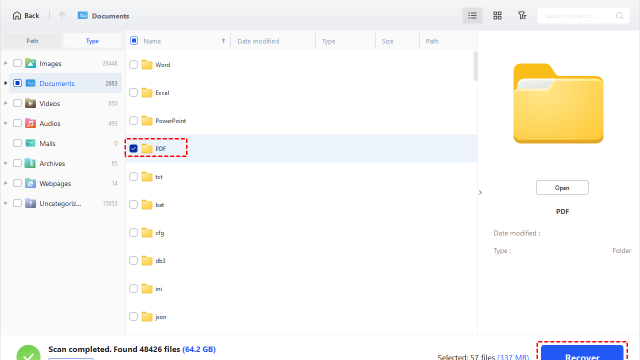
Sometimes the PDF structure is too damaged to repair completely. In that case, try to extract the text and images. You can open the file in Google Drive (it converts to editable format) or use a tool that extracts raw data. Even if the layout is lost, you’ll recover the content. You can then create a new PDF from the extracted text.

Common Pitfalls
- Using sketchy online tools that upload your file to unknown servers. Stick to reputable sites to protect your privacy.
- Overwriting the original file before testing. Always work on a copy — if the repair goes wrong, you still have the original.
- Assuming all corruption is fixable. Sometimes the file is too damaged, especially if it was truncated during download. In that case, try to restore a corrupted PDF from a backup or contact the source.
Where to Next
Got your PDF back? Awesome. To avoid future headaches, consider backing up important files and checking their integrity regularly. If you keep running into PDF errors, check out our guide on common PDF errors — many have simple fixes. And remember: a little prevention goes a long way.