So you’ve got a PDF that just won’t open, or it’s full of garbled text and missing images. Maybe it’s a critical work document or that thesis you’ve been slaving over. Don’t panic—you can often fix a broken PDF without installing any software, right from your browser. This guide is for anyone who needs a quick, free fix for a corrupted PDF, no tech skills required.
By the end of this tutorial, you’ll have tried three reliable online tools and learned which one works best for your situation. You’ll also know how to tell if your file is beyond repair (rare) and what to try next. Let’s get that PDF back in shape.
What You’ll Need
- Your broken PDF file (make a backup copy first)
- A stable internet connection
- A modern web browser (Chrome, Firefox, Edge, or Safari)
- Optional: access to a second PDF for testing (if your file is completely unreadable)
Before you start, it’s a good idea to run your file through a pdf corruption checker to understand what’s wrong. That will save you time later.
Step 1: Choose an Online Repair Tool
There are several free online PDF repair services. We’ll use three popular ones: Smallpdf, ILovePDF, and PDF2Go. Each works slightly differently. Pick one to start—I recommend Smallpdf for its simplicity.

Step 2: Upload Your Broken PDF
Go to the tool’s website. Look for the ‘Repair PDF’ or ‘Fix PDF’ feature. Click the upload button and select your file. Most services accept files up to 100 MB for free. Wait for the upload to complete—this may take a few seconds depending on file size.

Step 3: Run the Repair Process
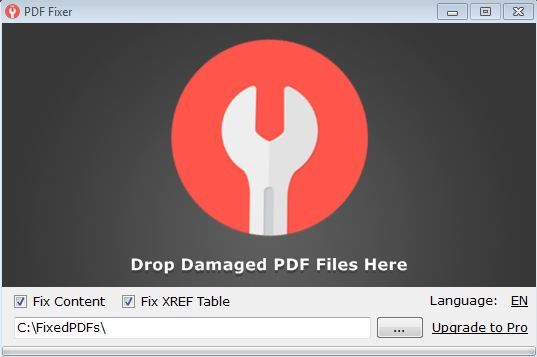
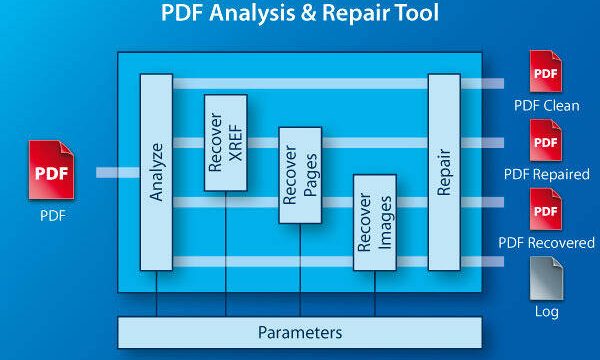
Once uploaded, click the ‘Repair’ or ‘Start’ button. The tool will analyze your PDF and attempt to fix structural issues like a broken cross-reference table or pdf xref repair. This usually takes less than a minute. After processing, you’ll see a preview or a download button.

Step 4: Download the Repaired PDF
When the repair is complete, click ‘Download’ to save the fixed PDF. Open it in your usual PDF viewer to check if the content is intact. If it looks good, you’re done! If not, try a different tool from the list—sometimes one tool handles certain errors better than another.

Step 5: Alternative Method – Use Google Drive
If the dedicated tools fail, try this: upload your PDF to Google Drive, then open it with Google Docs. Google Docs often reinterprets the PDF content and can salvage readable text even from corrupted files. Go to drive.google.com, upload the PDF, right-click it, and select ‘Open with > Google Docs’. The document will be converted to a Google Doc. Then download it as a PDF again. This method doesn’t preserve formatting but can restore broken pdf content.

Step 6: If All Else Fails – Try a Desktop Tool
Online tools have limits. If your PDF is severely corrupted (e.g., 0KB files or massive structural damage), you might need dedicated software. Check out our guide on best pdf repair software for offline options. Sometimes the only way to fix pdf stream errors is with a robust desktop application.
Common Pitfalls
- Uploading a file that’s too large for the free tier (most tools limit to 100-200 MB). Solution: compress the PDF first or use a desktop tool.
- Expecting perfect formatting. Online repair tools often fix the structure but can’t recover lost text or images. Be prepared to accept minor losses.
- Not making a backup. If the repair tool mangles your original file, you’ll lose everything. Always keep a copy of the original broken PDF.
Where to Next
You’ve just learned how to repair a broken PDF online using free tools. For more specific issues, browse our other guides: how to restore broken pdf files with advanced methods, or if you’re dealing with a specific error like PDF Error 135, check out the dedicated fix. Happy repairing!