You edited a PDF—maybe rearranged pages, added text, or merged files—and now it’s throwing errors, pages are blank, or the file simply won’t open. This is more common than you’d think. Whether you’re a student tweaking a paper or a professional updating a report, editing a PDF can sometimes break its internal structure. This guide is for anyone who’s made changes to a PDF and ended up with a corrupted file. By the end, you’ll know how to diagnose the issue, roll back changes, use repair tools, and recover your content.
I’ll show you concrete steps—from simple undos to specialized software—so you can get your document back without losing your work. We’ll cover free and paid options, online and offline tools. No tech wizardry required; just follow along and you’ll likely save your PDF.
What You’ll Need
- The corrupted edited PDF (original backup if available)
- A PDF reader (Adobe Acrobat, Foxit, or even your browser)
- Optional: A PDF repair tool (free online service or desktop software)
- Optional: The source file you exported the PDF from (Word, Excel, etc.)
- A stable internet connection if using online tools
Step 1: Diagnose the Problem
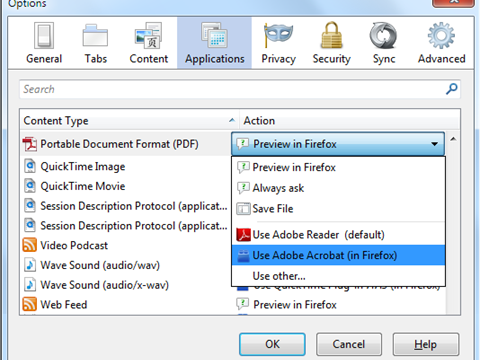
Before you start fixing, figure out what’s wrong. Open the PDF in at least two different viewers (like Chrome and Adobe Acrobat). Does it open partially? Are specific pages missing? Is there a “parse error” or “file damaged” message? Take note of the symptoms. For example, a blank PDF after editing often indicates content stream corruption. If the file won’t open at all, it might be a header issue. Knowing the exact error helps choose the right fix. Check out our guide on why a PDF is unreadable for more diagnostic tips.

Step 2: Undo Recent Edits
If you have a backup of the original PDF before editing, simply restore it. No backup? Check if your PDF editor has an “Undo” history or a temporary auto-save folder. Many editors (like Adobe Acrobat Pro) keep previous versions. Go to File > Revert or check Version History. If you edited using an online service, see if they have a revision history. Sometimes the issue is just a crashed undo chain. If you can revert to a pre-edit state, you’re done.

Step 3: Use a PDF Repair Tool
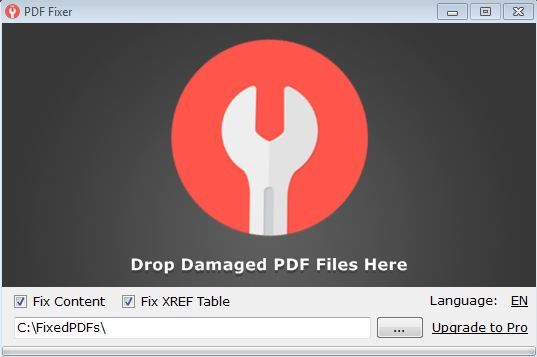
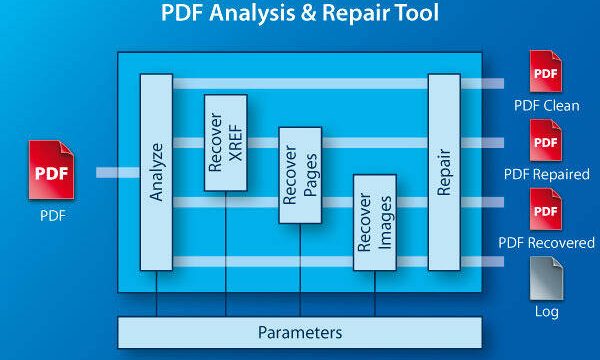
If undoing isn’t possible, it’s time to use a dedicated repair tool. Several free and paid options exist. For a quick fix, try an online service like iLovePDF or Smallpdf—upload your file and let them attempt a repair. For more power, consider desktop software like the best PDF repair software (PDF Repair Toolbox, SysTools PDF Repair, etc.). These tools scan the file structure and rebuild broken cross-references, streams, or fonts. They work best when the corruption isn’t too severe. Always save a copy before applying any repair.

Step 4: Extract Content Manually
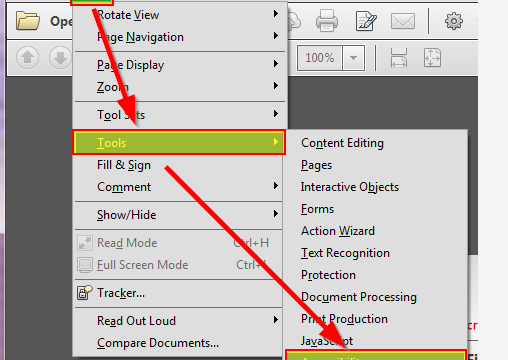
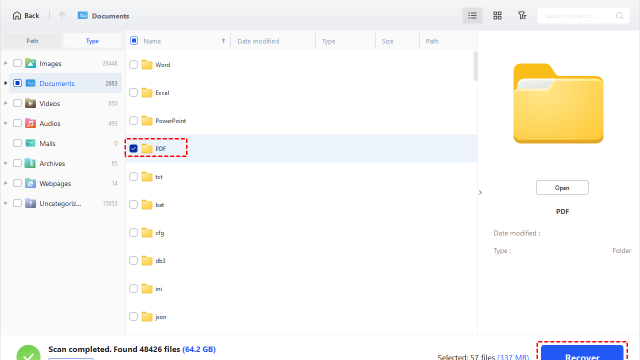
Sometimes repair tools fail. Next, try to salvage the content by opening the file in a different viewer and copy-pasting text, images, or pages. Adobe Acrobat can often open partially corrupted files and let you save individual pages as new PDFs. Use “Save As Other” > “Optimized PDF” to strip out problematic elements. If the file is a corrupted PDF file, you might still be able to extract embedded images using Preview (Mac) or third-party extractors. Alternatively, use a command-line tool like pdftotext to grab any readable text.

Step 5: Re-export from Source
If you edited the PDF using a word processor (like converting a .docx to PDF and then editing), consider re-creating the PDF from the original source document. Open the source file (Word, Excel, PowerPoint) and re-export as PDF. This bypasses any corruption introduced during editing. If you don’t have the source, try to reconstruct the content manually from what you extracted in Step 4. For PDFs created from Excel, see our guide on repairing a PDF exported from Excel for more specifics.

Common Pitfalls
- Not keeping a backup: Always save an untouched copy before editing. Without it, you risk losing everything.
- Using free online editors: Some free editors rewrite the PDF structure poorly, causing corruption. Stick to reliable tools like Acrobat or reputable alternatives.
- Ignoring the error message: Different errors need different fixes. A ‘cross-reference table not found’ error requires a different approach than a ‘font missing’ error.
Where to Next
You’ve successfully recovered your edited PDF—nice work. Next, check out our guides on how to repair a PDF after download and how to fix a PDF that failed to upload to prevent future issues. If you want to avoid corruption altogether, consider using a professional PDF editor designed for stability. And remember, regular backups save headaches.