So you’ve got a PDF that’s acting up—won’t open, shows gibberish, or throws errors. You want to fix it, but the last thing you need is another account to create or a tool that demands a login. I’ve been there. This guide is for anyone who needs a quick, no-hassle repair without handing over an email address or signing up for anything. By the end, you’ll have a working PDF and a few reliable tricks up your sleeve for next time.
We’ll use free online tools that don’t require any login. You’ll upload your broken file, let the tool work its magic, and download the fixed version—all in a few clicks. No data stored, no strings attached. Let’s get that PDF readable again.
What You’ll Need
- A corrupted PDF file that you want to fix.
- An internet connection (you’ll be using an online service).
- A modern web browser (Chrome, Firefox, Edge, or Safari).
- A few minutes of patience—repairs usually finish fast.
Step 1: Choose a No-Login Online PDF Repair Tool
The key is picking a tool that doesn’t force you to create an account. Services like Smallpdf, iLovePDF, and PDF24 offer repair features that work right in your browser with zero sign-up. Avoid tools that ask for an email after upload—that’s a red flag. For this guide, I’ll use PDF24 because it’s free and truly no-login. If you have a broken cross-reference table, our PDF XREF repair guide covers that deeper issue.

Step 2: Upload Your Corrupted PDF
On the tool’s website, look for an “Upload” or “Choose File” button. Click it and select your corrupted PDF from your computer. Most tools also support drag-and-drop—just drag the file into the browser window. If your file is 0KB (completely empty), see our guide on repairing a 0KB PDF for extra steps.

Step 3: Run the Repair Process
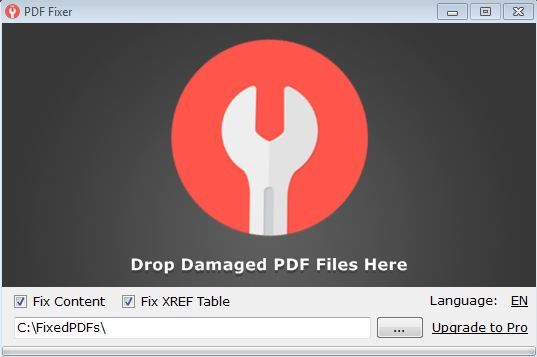
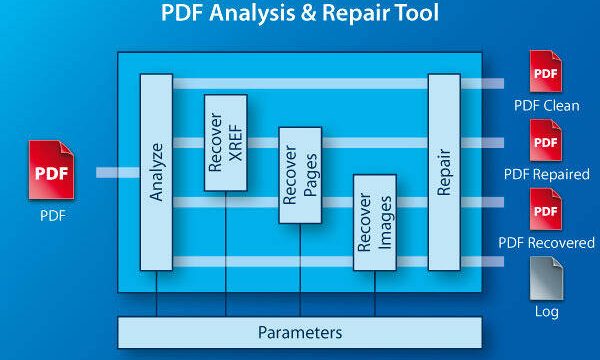
After uploading, click the “Repair” or “Start” button. The tool will analyze the file and attempt to fix structural issues like broken references, malformed objects, or missing data. You’ll see a progress bar—this usually takes under a minute. If the repair stalls, your file might have severe corruption. In that case, try a more robust solution like the best PDF repair tool for tough cases.

Step 4: Download the Fixed PDF
Once the repair finishes, the tool will offer a download button. Click it and save the repaired PDF to your computer. Open it to verify the contents are intact. If it still looks weird, you might need a different approach—check our PDF validation and repair guide for thorough diagnostics. For malformed files, our malformed PDF repair guide can help.

Common Pitfalls
Here are three things that often go wrong and how to avoid them:
- File too large: Some free tools have a size limit (e.g., 10MB). If your PDF is bigger, either compress it first or use a desktop tool.
- Tool doesn’t support your issue: Not all repairs are equal. A broken image won’t be fixed by a structural repair tool. For image corruption, use a dedicated image repair tool.
- Forgetting to download: After repair, the file may only be available temporarily. Download immediately or use a tool that gives you a permanent link.
Where to Next
Now you’ve got a working PDF without giving up any personal info. If you run into tougher problems—like a completely blank file or constant errors—check out our other guides. Each one tackles a specific type of corruption, so you’ll always find a fix without needing an account. Happy repairing!