If you’ve ever opened a folder expecting a full PDF only to find it’s 0KB (zero kilobytes), you know the sinking feeling. Maybe it’s a critical report, an ebook you just downloaded, or a scanned contract. The good news: a 0KB file isn’t always a lost cause. Sometimes the file system only reports the size incorrectly, or the header got wiped but the content still exists. This guide is for anyone who has a 0KB PDF and isn’t ready to give up on it.
By the end of this tutorial, you’ll have tried a handful of practical, low-tech to medium-tech methods to recover your PDF. We’ll cover checking if the file is really empty, using free online tools, running a command-line fix with Ghostscript, and even poking around with a hex editor if you’re feeling brave. You might not get a perfect file back every time, but you’ll know exactly what options you have before calling it quits.
What You’ll Need
- The 0KB PDF file (obviously)
- A computer (Windows, Mac, or Linux – steps vary slightly)
- Internet connection (for online tools and downloads)
- PDF reader (e.g., Adobe Acrobat, Foxit, or browser)
- Optional: Ghostscript (free, command-line), Hex editor (e.g., HxD for Windows, Hex Fiend for Mac)
Step 1: Check If the File Is Truly 0KB
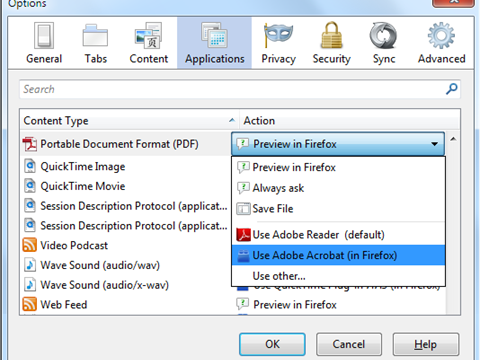
First, make sure the file isn’t a glitch. Right-click the file and go to Properties (Windows) or Get Info (Mac). Look at the file size. If it says 0 bytes, it’s either empty or filesystem metadata is wrong. Also check the ‘Size on disk’ – if that’s larger, you might be able to recover. Try copying the file to a new location – sometimes a fresh copy has the correct size. Also try opening it in a different PDF viewer. Pro tip: drag it into a web browser like Chrome or Firefox and see if it renders.

Step 2: Use an Online PDF Repair Tool
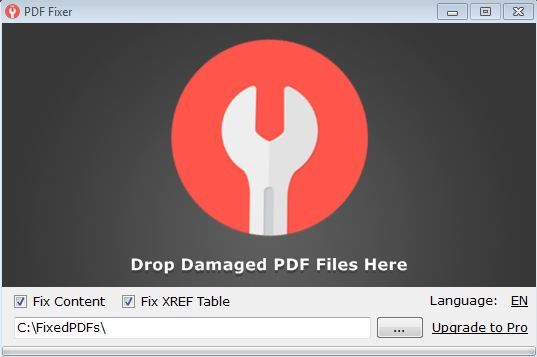
If the file is actually 0KB, the most common fix is to try an online repair service. Many free tools attempt to rebuild PDF headers and recover content. Upload your file (even if it’s 0KB, the upload may work) and see if they can extract anything. Some good options include PDF2Go, iLovePDF, or Smallpdf. Be wary of privacy – don’t upload sensitive documents to an unknown server. For secure files, stick to offline methods. After repair, download the result and check if it opens properly.

Step 3: Repair with Ghostscript (Command Line)
Ghostscript is a powerful, free tool for processing PDFs. It can often fix minor corruption issues. First, download and install Ghostscript from ghostscript.com. Then open a terminal (Command Prompt on Windows, Terminal on Mac/Linux). Use a command like: gswin64c -o repaired.pdf -sDEVICE=pdfwrite -dPDFSETTINGS=/prepress broken.pdf Replace ‘broken.pdf’ with your 0KB file’s name. If Ghostscript can read the file, it will output a repaired version. If it can’t, you’ll get an error. This method works best if the PDF header is damaged but the content stream is intact.

Step 4: (Advanced) Inspect with a Hex Editor
If the above steps fail, it’s time to look under the hood. A hex editor lets you see the raw bytes of the file. Open your 0KB file with a hex editor (e.g., HxD). If it shows all zeros, the file is truly empty – sorry, no recovery possible. But if you see some data, even fragments of text like ‘obj’ or ‘endobj’, you might reconstruct the header. A valid PDF starts with ‘%PDF-1.X’. If that’s missing, you can copy it from another PDF and paste it at the start of your file. Save and try opening. This is risky but can work.

Common Pitfalls
- Assuming the file is intact: Many users panic and immediately try a full recovery suite before attempting simple checks like copying or opening in a browser. Always start with the basics.
- Using shady online tools: Some free repair sites may inject ads or malware. Stick to well-known services or use offline tools for sensitive files.
- Ignoring backup options: If the file came from an email attachment or download, try re-downloading it. Often the original source has a good copy. Also check if your software (like Drive or Dropbox) has version history.
Prevention beats repair. For critical PDFs, always keep a backup and use reliable download methods.
Common sense from the PDF community
Where to Next
If you’ve tried everything and your 0KB PDF is still a dud, don’t despair. You can learn more about general pdf validation repair to prevent future data loss. Also consider setting up regular backups of important documents. For more PDF repair tips, check out our other guides on PDFRepairs.click.