Ever opened a PDF only to see gibberish, blank pages, or an error message? You’re not alone. This guide is for anyone who’s dealt with an unreadable PDF—whether it’s a critical work document, a legal file, or a family photo album. By the end, you’ll be able to diagnose why it’s unreadable and apply the right fix, from simple viewer swaps to manual repairs.
PDF files can become unreadable for many reasons: corruption during transfer, incomplete downloads, encoding mismatches, or even a simple missing font. We’ll walk through each step, so you can rescue your file without losing your mind. No deep tech expertise needed—just a willingness to try a few things.
What You’ll Need
- A computer (Windows, macOS, or Linux)
- The problematic PDF file
- A reliable PDF repair tool (free or paid, like Adobe Acrobat or a dedicated repair utility)
- A text/hex editor (for advanced manual fixes — optional)
- Internet access to download tools or research error codes
- Patience and a backup of the original file
Step 1: Check the Obvious
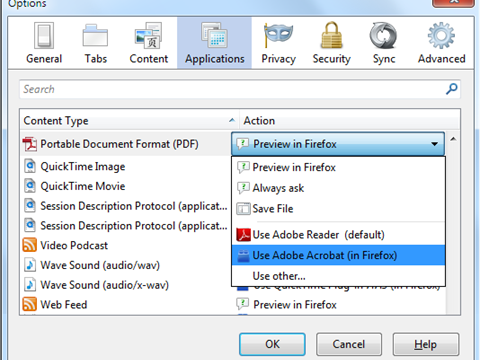
Before diving into heavy repair, rule out simple issues. First, make sure the file isn’t empty — check its size. If it’s 0 KB, you’ve got a bigger problem (see our guide to repair 0kb PDF). Next, try opening the PDF in a different viewer. Adobe Acrobat, your browser, and Foxit Reader all handle errors differently. If you transferred the file from a USB drive, the drive might be faulty — check our guide to fix PDF from USB for tips.

Step 2: Identify the Error Message
Error messages are your best clues. Common ones include: ‘Invalid XREF table’, ‘Missing or corrupt font’, ‘File may be damaged or corrupted’, or ‘This page could not be displayed’. Write down the exact message — it often tells you exactly what’s broken. For example, an XREF table error means the cross-reference table is damaged. If that’s the case, you’ll need a targeted PDF XREF repair.

Step 3: Use a PDF Repair Tool
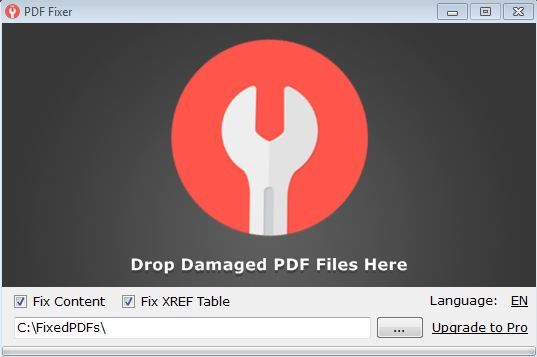
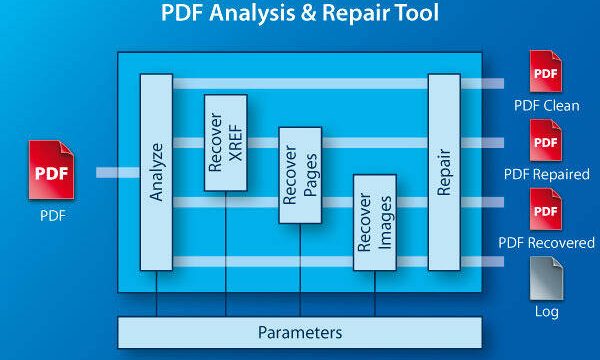
The quickest fix is a dedicated PDF repair tool. Many are free or offer trial versions. Open your file in the tool and hit ‘Repair’. It will rebuild the file structure, fix cross-references, and often restore readability. For a reliable option, check our guide to the best PDF repair tool. If you prefer not to create an account, look for tools that let you repair PDF without login.

Step 4: Manual Repair (For Advanced Users)
If automated tools fail, you can manually edit the PDF with a hex editor. This is for power users comfortable with binary data. Common fixes include patching the XREF table or fixing malformed objects. For detailed instructions, see our guides on PDF XREF repair and malformed PDF repair.

Step 5: Prevent Future Issues
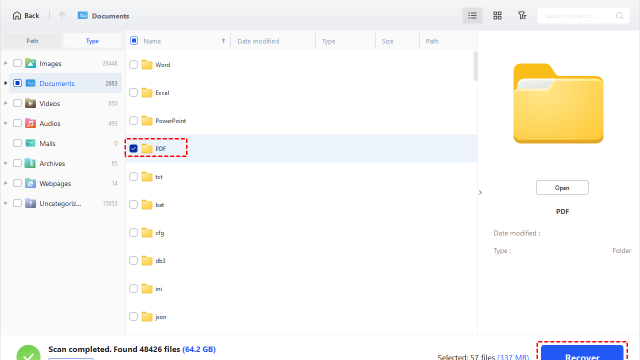
Once you’ve recovered your file, take steps to avoid this happening again. Always save a backup, transfer files over reliable connections, and avoid editing PDFs with unstable software. If you frequently get corrupted files from USB, consider replacing the drive. For a deeper dive into prevention, check our guide on pdf validation repair.

Common Pitfalls
- Mistaking a password-protected PDF for a corrupted one — always check if the file requires a password before attempting repairs.
- Using online repair tools that require uploading your file — this can expose sensitive data. Stick to offline tools or reputable services.
- Not backing up the original file before repair — if the repair tool corrupts it further, you’ll lose everything.
Where to Next
If your PDF is still giving you trouble, explore our other guides: repair 0kb PDF for empty files, pdf validation repair for structural issues, and fix PDF from USB if transfer is the culprit. With these resources, you’ll never let an unreadable PDF slow you down.