So your thesis PDF is gone. Maybe it deleted itself, or it got corrupted after a crash, or you accidentally saved over it. I’ve been there—that cold sweat, the frantic clicking. This guide is for anyone who’s staring at an empty folder or a file that won’t open. By the end, you’ll have tried five concrete recovery methods, and odds are good you’ll get your work back.
We’re keeping it casual but thorough. No jargon you don’t need. Just steps that work. Whether you’re on Windows or Mac, using Word or LaTeX, there’s something here for you. Let’s dig in.
What You’ll Need
- The computer where you last worked on the thesis
- Any cloud storage accounts you used (Google Drive, OneDrive, Dropbox)
- A USB flash drive or external hard drive (if you had backups)
- A reliable internet connection
- Optional: a free PDF repair tool (like PDFRepair Kit or online services)
Step 1: Check the Recycle Bin or Trash

It’s the simplest step, but easy to overlook in a panic. If you accidentally deleted your thesis PDF, it’s probably still in the Recycle Bin (Windows) or Trash (Mac). Open it, search for your thesis by name, and if you find it, right-click and choose ‘Restore.’ On Mac, drag it out. Done.
If it’s not there, don’t worry—it might have been permanently deleted. Move to the next step.
Step 2: Use Version History (Cloud or Local)

If you saved your thesis PDF to cloud storage like Google Drive, OneDrive, or Dropbox, you might have a version history. Even if the current file is corrupted, older versions could be intact. For Google Drive: right-click the file, choose ‘Manage versions,’ and download an earlier one. For OneDrive: right-click, go to ‘Version history.’ On Dropbox, click the file and select ‘Version history’ from the menu.
If you used a local folder with File History (Windows) or Time Machine (Mac), you can restore previous versions too. Right-click the file (Windows) or enter Time Machine (Mac) and browse through backups.
Step 3: Try a PDF Repair Tool

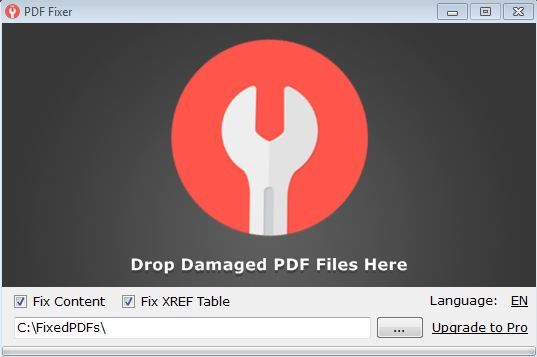
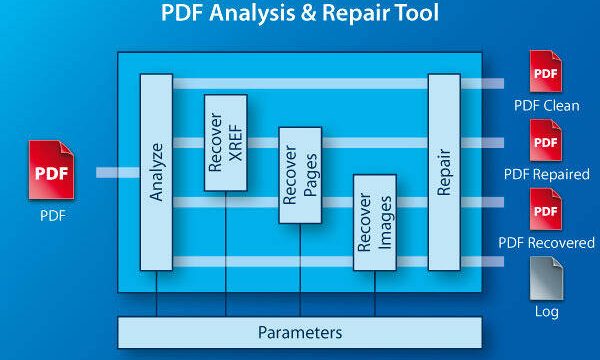
If the file exists but won’t open, it’s likely corrupted. Don’t give up—PDF repair tools can often fix issues like broken xref tables, malformed streams, or missing pages. I recommend starting with a free online tool like PDFRepair Kit or the built-in repair in Adobe Acrobat Pro (if you have it). Upload your file and let it work. If the tool asks for a password, check out our guide on password recovery for help.
For more advanced problems, like stream errors, you might need to fix PDF stream manually or use a dedicated tool. Some tools can also extract pages from a corrupt PDF, saving at least part of your work.
Step 4: Restore from a Backup

Hopefully you have a backup—even an old one. Plug in your USB drive, external hard drive, or check your cloud backup service. Look for files with names like ‘thesis_final_v2.pdf’ or dates around when you last worked. If your backup is from a while ago, you’ll lose recent changes, but it’s better than starting over. Also check if you emailed the PDF to yourself or a professor—search your Sent folder.
Step 5: Use Data Recovery Software

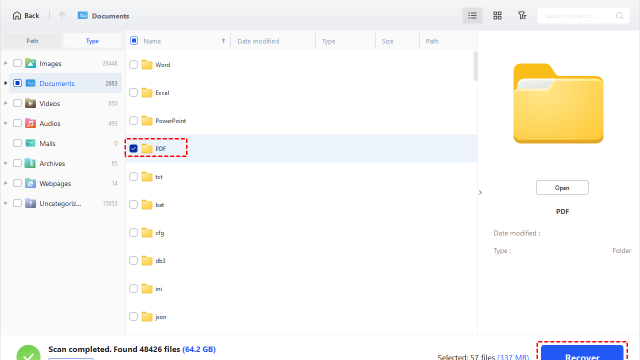
If all else fails and the file was permanently deleted, data recovery software can sometimes bring it back. Tools like Recuva (Windows) or Disk Drill (Mac) scan your drive for remnants of deleted files. Install one, scan the drive where your thesis was saved, and look for any PDF file. This works best if you haven’t written new data to that drive (so stop using it immediately if you can). Note that recovered files may have generic names like ‘file0001.pdf’—you’ll have to open each to find your thesis.
Common Pitfalls
- Overwriting data before recovery: If you try data recovery after saving new files, you may overwrite the deleted thesis. Stop using the drive as soon as you realize the file is missing.
- Ignoring version history because you think you never saved: Many apps autosave to the cloud or local cache. Check version history even if you don’t remember saving—it might be there.
- Using unreliable PDF repair tools: Some free tools add watermarks or only repair minor issues. Look for tools with a good reputation or try multiple. For serious corruption, you may need professional software (but try free first).
Where to Next
You got your thesis back? Awesome. Now take a few minutes to set up automatic backups—Google Drive, OneDrive, or a simple script that copies to an external drive. If the PDF is still giving you trouble, check out our guides on XREF repair or how to fix a PDF stream. And remember: panic never helps, but a systematic approach does. Good luck!