So your PDF won’t open, or it opens with gibberish and missing pages. Don’t panic—you’re in the right place. This guide is for anyone who’s dealing with a corrupted PDF, whether it’s a work report, an invoice, or an e-book. By the end, you’ll have a clear path to recover your file or know exactly why it’s beyond saving.
We’ll walk through simple checks first, then use built-in tools like Adobe Acrobat’s repair feature, free online services, and command-line utilities like PDFtk. The steps are tested and beginner-friendly. You don’t need to be a tech wizard—just follow along.
What You’ll Need
- The corrupted PDF file (make a copy before any repair attempt)
- A computer with internet access
- A PDF reader (e.g., Adobe Acrobat Reader, Chrome)
- Optional: A PDF repair tool like Adobe Acrobat Pro, PDFtk, or access to an online recovery service
Step 1: Assess the Damage
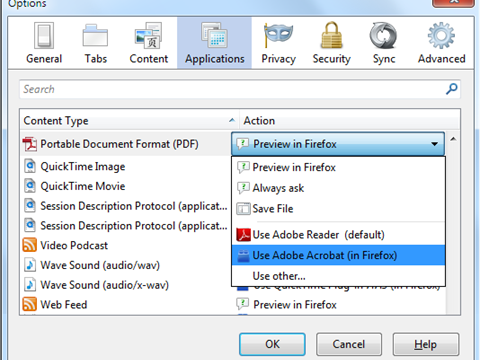
First, try opening the PDF in different viewers. Sometimes the issue is specific to one app. Open it in Chrome, Firefox, and Adobe Acrobat Reader. If it opens in one but not another, the file might be fine—just the viewer is acting up. If it’s garbled everywhere, we have work to do. Check the file size: a 0-byte PDF is a different beast—see our guide to repair 0 byte PDF if that’s your case.
Step 2: Try Adobe Acrobat’s Repair Feature
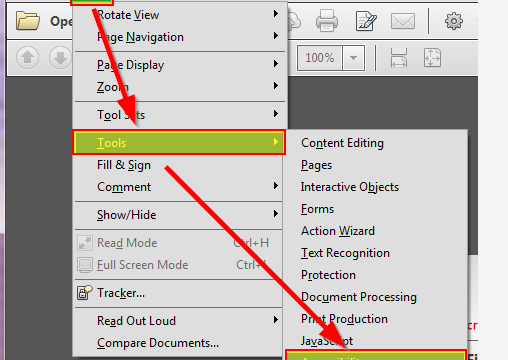
If you have Adobe Acrobat Pro, you can use its built-in repair tool. Open Acrobat, go to File > Open, select your PDF. Then go to Tools > Repair PDF. This runs a check and fixes common structural issues. For a step-by-step walkthrough, check out our guide on Adobe Acrobat’s repair feature.
Step 3: Use an Online PDF Recovery Tool
No Acrobat Pro? No problem. Several online services can recover corrupted PDFs for free. Upload your file and let them work. We’ve tested many and compiled a list of the best online PDF repair tools. Popular ones include PDF24, iLovePDF, and Smallpdf. They’re easy: upload, download the fixed file. Be cautious with sensitive documents—use a service you trust or a local tool instead.

Step 4: Repair PDF with PDFtk (Command Line)
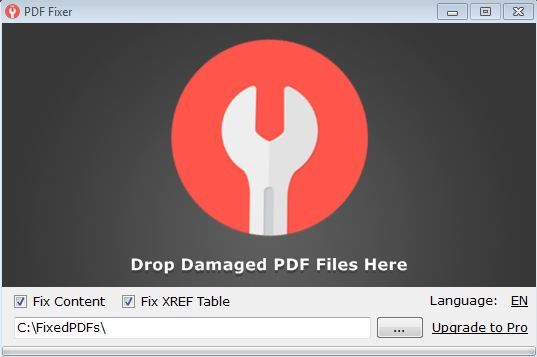
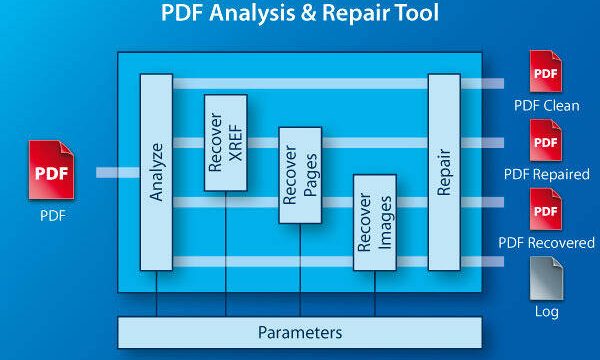
For more control, try PDFtk, a free command-line tool. It can repair common issues like broken cross-reference tables. Download PDFtk Server, open your terminal (Command Prompt on Windows, Terminal on Mac), and run: pdftk damaged.pdf output fixed.pdf. If that fails, use the burst command to extract individual pages. It’s powerful—see our full guide on how to repair PDF with PDFtk.

Step 5: Use a PDF Recovery API for Batch or Automation
If you regularly deal with corrupted PDFs, consider a PDF recovery API. These allow you to automate repairs in your workflow. Services like PDF.co or Aspose offer APIs that can fix files programmatically. It’s more technical but efficient. Check our guide on PDF recovery API for implementation details.

Common Pitfalls
- Not making a backup first: Always copy your file before trying any repair. A failed repair can make things worse.
- Using sketchy free tools: Some online services may introduce malware or send your data elsewhere. Stick to reputable ones like those in our best online PDF repair tools list.
- Assuming every PDF is recoverable: Severe corruption or physical damage to the storage device may make recovery impossible. Know when to cut your losses.
Where to Next
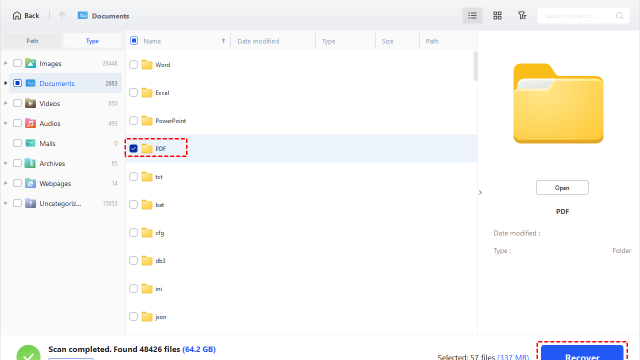
If you successfully recovered your PDF, great! If not, don’t give up—there are other angles. You might try our guide on recovering a corrupted PDF with advanced techniques. Or if the PDF is still acting weird (e.g., thumbnails not showing), check out our fix for PDF thumbnails not showing. For ongoing issues, explore our full library of PDF repair tips.