So you’ve got a PDF that won’t open, shows gibberish, or throws an error. Maybe it’s an important report, a contract, or a school project. Don’t panic—corrupted PDFs happen all the time, especially on Windows. This guide is for anyone who’s staring at a broken PDF and wants to fix it without a degree in computer science. By the end, you’ll have either a working PDF or a clear plan to recover its contents.
We’ll cover everything from quick built-in Windows tricks to free repair tools and online services. No expensive software required. You’ll learn how to diagnose the problem, try multiple repair methods, and avoid common mistakes that make things worse. Let’s get your PDF back in shape.
What You’ll Need
- A Windows PC (Windows 10 or 11 works best, but earlier versions okay)
- The corrupted PDF file (make a backup copy first!)
- Internet connection (for downloading tools or using online services)
- Optionally: a second PDF reader like Adobe Acrobat Reader or Foxit Reader
- About 15–30 minutes of time
Before we start, copy the original PDF to a safe folder. If something goes wrong, you’ll still have the original. Now, let’s fix it.
Step 1: Diagnose the Problem
Open the PDF in different readers to see if it’s truly corrupted or just incompatible. Try Microsoft Edge (built-in), Chrome, and Adobe Acrobat Reader. Note the error message—common ones include “File is damaged”, “Unable to read document”, or “Cross-reference table not found”. Knowing the error helps later.

If the PDF opens in one reader but looks scrambled, the file structure might be partially intact. If no reader opens it, the PDF likely needs serious repair.
Step 2: Use Built-In Windows Tools
Sometimes Windows can fix minor corruption by re-saving or converting the file. Try these free methods:
- Open the PDF in Microsoft Edge (right-click → Open with → Microsoft Edge). If it opens, click the print icon and choose “Save as PDF” to create a new file.
- Open the PDF in Microsoft Word (Word 2013 or later can open PDFs). Go to File → Open, select the PDF, and Word will convert it to editable text. Then save as PDF again. This works best for text-heavy PDFs.
- Use the “Repair” option in Adobe Acrobat Reader if you have it: Help → Repair Installation. This only fixes Reader, not the file itself.

These built-in tricks fix minor corruption—like a broken cross-reference table or missing fonts. If they work, you’re done. If not, move to the next step.
Step 3: Use Dedicated PDF Repair Software
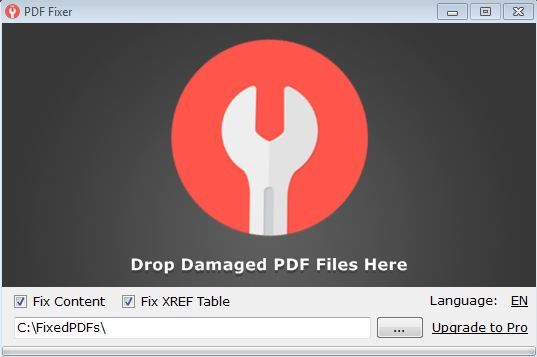
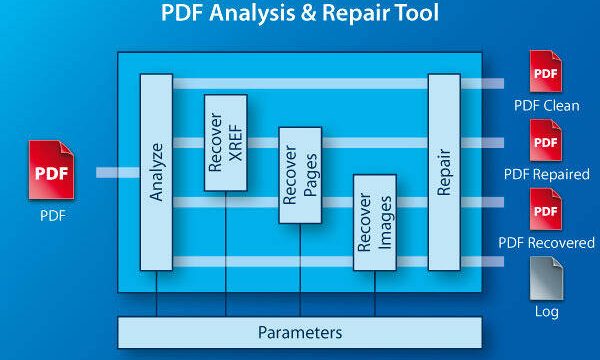
For more stubborn corruption, use a free PDF repair tool. I recommend “PDF Repair Toolbox” (free for up to 10 repairs) or “SysTools PDF Repair” (free demo). Download from the official site, install, and follow these steps:
- Launch the software and click “Add File” or “Browse” to select your corrupted PDF.
- Choose a repair mode: “Quick Repair” or “Deep Scan”. Start with Quick Repair.
- Click “Repair”. The tool will analyze and attempt to fix the file.
- Save the repaired PDF to a new name (e.g., “fixed_report.pdf”).
- Open the new file in a PDF reader to verify.

Most tools have a preview feature—use it to check if text and images are recovered before saving. If Quick Repair fails, try Deep Scan (takes longer but catches more corruption).
Step 4: Repair Online (No Software Installation)
If you’re uncomfortable installing software or the file isn’t sensitive, use an online repair service. Sites like Smallpdf, ilovepdf, or PDF24 have free repair tools. Here’s how:
- Go to a trusted site (e.g., smallpdf.com/repair-pdf).
- Upload your corrupted PDF (drag and drop or click “Choose File”).
- Wait for the service to process—usually a few seconds.
- Download the repaired PDF and open it to check.
Online repair is convenient, but never upload confidential files. For sensitive documents, stick with offline tools from Step 3.
Step 5: Verify and Backup
After repairing, open the PDF in at least two different readers. Scroll through all pages, check for missing text or images, and test any hyperlinks or forms. If everything looks good, delete the backup and keep the repaired file.
If the repair didn’t work, try a different tool or method. For example, if you used a quick repair, try a deep scan. If you used an online service, try a different one. Sometimes combining methods—like extracting text with Word then recreating the PDF—gets the job done.

Common Pitfalls
- Skipping the backup: Always copy the original PDF before attempting repairs. Some tools can overwrite or further damage the file. Keep a pristine backup.
- Using untrustworthy software: Many free PDF repair tools are scams or include malware. Stick with well-known names like SysTools, PDF Repair Toolbox, or reputable online services like Smallpdf.
- Expecting miracles: If the PDF was severely corrupted (e.g., half the file missing), complete recovery may not be possible. Focus on extracting as much content as you can—text extraction often succeeds where full repair fails.
Where to Next?
If your PDF is still broken after these steps, check out our guides on pdf file recovery for lost files, or learn how to fix broken pdf that won’t open at all. For online repairs, see the damaged pdf repair online guide. And if you want to avoid software altogether, our article on repair pdf without software has additional tricks. Good luck!