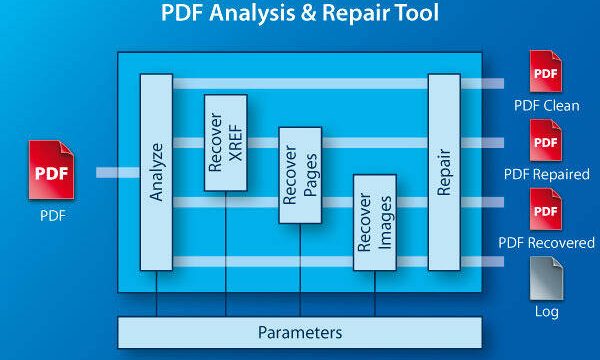
Ever tried opening a PDF only to get a blank screen or an error? You’re not alone. This guide is for anyone whose PDF won’t display properly in their viewer—whether it’s Chrome, Adobe Reader, or a phone app. By the end, you’ll have a working file that opens smoothly, plus the know-how to prevent future corruption.
We’ll start with the simplest fixes (often all you need) and move to more advanced methods. No prior experience required. If you’ve already tried our general pdf repair guide, this focused tutorial will close the gap for viewer-specific issues.
What You’ll Need
- A corrupted PDF file (or a file that won’t open in your viewer)
- A PDF viewer (e.g., Adobe Acrobat Reader, Chrome, Edge, or a mobile app)
- A computer with internet access (for online tools)
- Optional: Adobe Acrobat Pro or a hex editor (for manual repair)
Step 1: Try a Different PDF Viewer

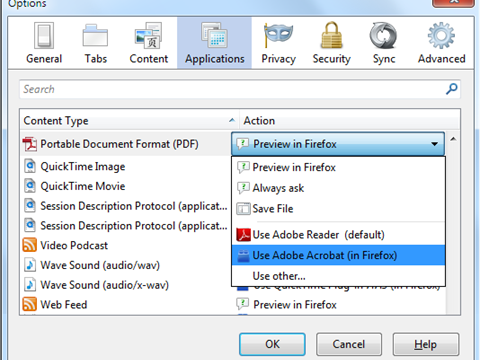
Sometimes your PDF is fine, but your viewer isn’t playing nice. Right-click the file and open it with another program. For example, if Chrome fails, try Adobe Reader or Edge. If it opens elsewhere, the issue is viewer-specific, not file corruption. You can also try a dedicated viewer like SumatraPDF or Foxit Reader.
If this works, great! If not, move to Step 2. Remember to always keep a backup of your original file before making changes.
Step 2: Use an Online PDF Repair Tool
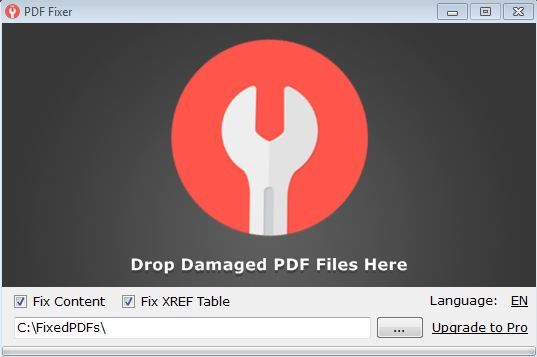
Online tools are the fastest way to fix common PDF errors. Go to a reputable service—many offer free repairs for files under a certain size. Upload your file, wait a few seconds, then download the repaired version. I recommend using one of the best online pdf repair tools; they handle most corruption types like broken headers, missing objects, or truncation.
After downloading, open the repaired PDF in your viewer. If it works, you’re done! If not, don’t worry—SStep 3 will cover a more powerful method.
Step 3: Repair Using Adobe Acrobat Pro
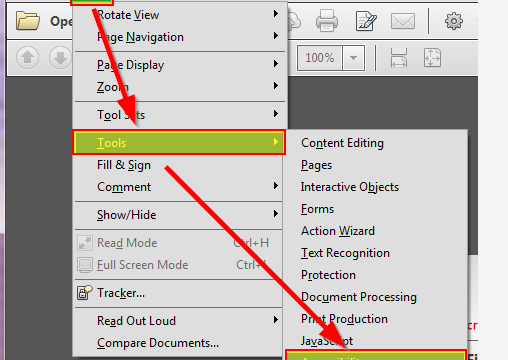
Adobe Acrobat Pro has a built-in PDF repair feature that’s quite effective. Open the file in Acrobat, then go to Tools > Action Wizard > Repair PDF. If the file won’t open at all, create a new PDF from scratch by choosing File > Create > PDF from File and selecting the corrupted one. This often recovers a surprising amount of content. For a deeper dive, check out our dedicated acrobat pdf repair guide.
Note: This method requires a paid subscription, but you can use a 7-day trial if you only need it once.
Step 4: Manual Hex Editor Repair (Advanced)
When all else fails, you can edit the PDF’s raw data with a hex editor. PDFs start with ‘%PDF’ and end with ‘%%EOF’. If the ending is missing, add it. If the file is truncated, delete the last few lines of corrupt data. This is tricky, but it’s saved many files. For lost images, see our guide to repair pdf and restore images.
Only try this if you’re comfortable with hex. A wrong edit can make things worse, so always work on a copy.
Common Pitfalls
- **Saving over the original:** Always keep the original file until the repaired version is confirmed working. Many tools overwrite by default.
- **Using untrusted online tools:** Some free repair sites can be insecure or inject malware. Stick with well-known services like those recommended in our fix pdf errors online guide.
- **Ignoring simple fixes:** Before doing anything drastic, try renaming the file, checking for download errors, or updating your viewer. Often the answer is easier than you think.
Where to Next?
Now that your PDF opens in its viewer, explore more ways to keep your documents healthy. Check out our guide on preventing future corruption, or learn how to recover a PDF that’s completely unreadable. With these skills, you’ll never panic over a broken PDF again.