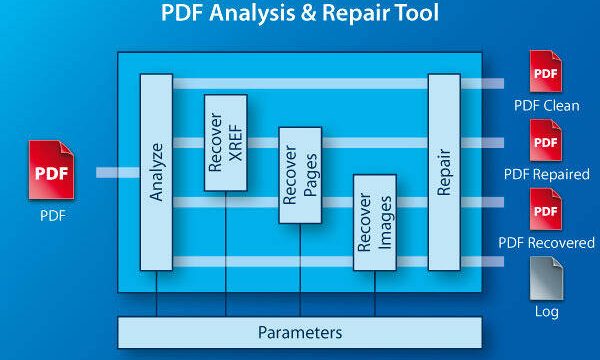
Ever unzipped a PDF and ended up with a file that looks like abstract art—or worse, won’t open at all? You’re not alone. Zip extraction can mangle PDFs due to file corruption, partial downloads, or incompatible compression methods. This guide is for anyone who’s pulled a PDF out of a ZIP and found it broken. By the end, you’ll have a working PDF again, plus know how to avoid the same headache next time.
We’ll cover four repair methods using free tools—built-in Mac/Linux utilities, online services, dedicated software, and command-line fixes. You don’t need to be a tech wizard; each step is spelled out. Let’s get that PDF looking human again.
What You’ll Need
- The corrupted PDF file (keep the original ZIP handy)
- A computer (Windows, Mac, or Linux)
- Internet connection (for online repair options)
- Optional: A PDF reader like Adobe Acrobat or Preview
- Optional: Command-line tool Mutool (install instructions provided)
Step 1: Verify the PDF Is Actually Broken
Before you start fixing, confirm the file is corrupted—not just slow to load. Try opening it in multiple readers. If you get an error like ‘Failed to load PDF’ or the content is scrambled, it’s toast. You can also use a free tool to scan pdf for errors quickly.

If the file opens but looks messed up, skip to Step 3. If it won’t open at all, continue to Step 2.
Step 2: Re-extract the PDF from the Original ZIP
Sometimes the extraction itself goes wrong, not the file. Unzip again using a different tool (e.g., 7-Zip on Windows, The Unarchiver on Mac). Choose ‘Extract Here’ and ensure you don’t interrupt the process. If the new copy works, problem solved. If it’s still broken, move on.

Step 3: Repair Using Online Services
Online PDF repair tools are the quickest option for casual users. Upload your broken PDF to a reputable service like iLovePDF or PDF2Go. They’ll attempt to rebuild the file structure and fix common errors like missing cross-reference tables. This works great for minor corruption.

After upload, download the repaired file. Now open it—if it looks good, you’re done. If not, try a dedicated desktop tool next.
Step 4: Use Built-in Utilities (Mac/Linux)
If you’re on macOS or Linux, you have powerful command-line tools. Open Terminal and try the `pdftotext` command to extract text—if you get readable output, the PDF is structurally sound but rendering wrong. Then use `pdfimages` to recover images. For a full repair, use Mutool’s `clean` command:
mutool clean broken.pdf fixed.pdf
Mutool documentation
This rewrites the PDF from scratch, often fixing parse errors. You can also use Ghostscript: `gs -o fixed.pdf -sDevice=pdfwrite broken.pdf`. Both are free and powerful. For Windows, you can install Mutool via MSYS2 or use the next method.

Step 5: Repair with Dedicated Software
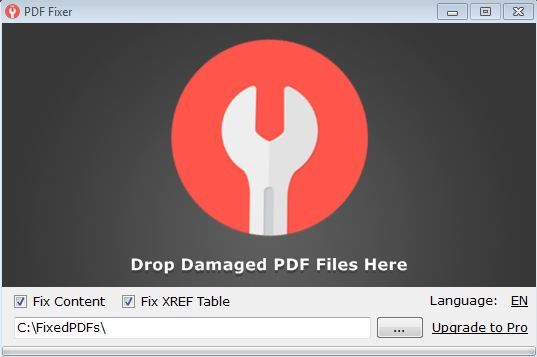
For stubborn cases, grab a dedicated PDF repair tool. Options like PDFelement or Adobe Acrobat Pro have built-in repair features. Open the file in the program, then go to File > Repair or use the ‘Optimize PDF’ option to rebuild file structure. On Windows, you can also try the free tool ‘PDF Repair Kit’ from Systools.

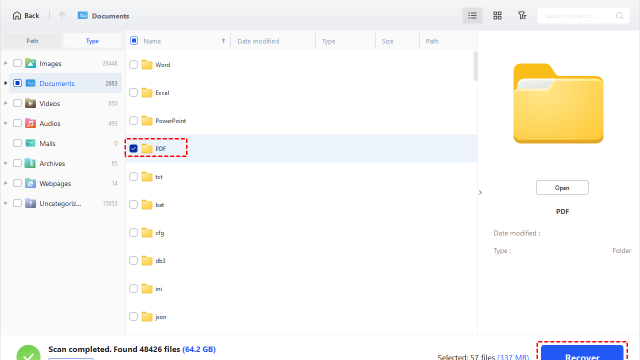
If you have a Mac, check out recovery options for free pdf repair for mac utilities. These tools can recover images, fonts, and text even from severely damaged files.
Common Pitfalls
- Don’t re-save a corrupted PDF using a reader—it might freeze or crash. Always repair first.
- Avoid extracting only one file from a ZIP while ignoring others; sometimes dependencies are needed.
- Don’t use Windows’ built-in ZIP extraction for large PDFs—it’s prone to partial corruption. Use 7-Zip or WinRAR.
Where to Next
Once you’ve got your PDF back, take a moment to prevent future headaches. If your PDF is zero-byte after extraction, check out our guide to recover 0kb pdf. For recurring issues, learn how to scan pdf for errors before sharing. And if you encounter a specific error like ‘parse error’, our dedicated fix for pdf parse error can help. Also, if you frequently deal with corrupted archives, the mutool repair pdf approach is a reliable command-line tool. Happy fixing!