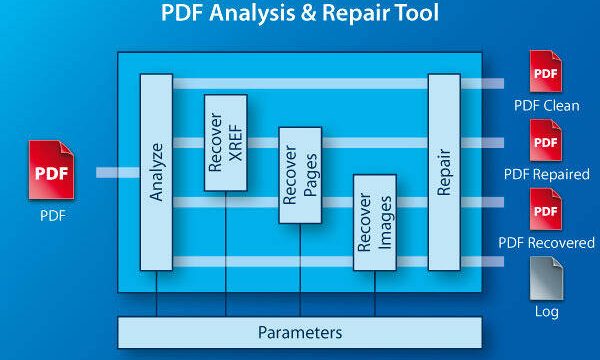
You’ve got a PDF that won’t open, looks scrambled, or throws errors. Before you panic and delete it, you need a PDF repair checker. This guide is for anyone who regularly works with PDFs—students, office workers, freelancers—who wants to know if a file is truly damaged and how to fix it. By the end, you’ll be able to check a PDF’s integrity, identify common corruption types, and apply free repairs to get your document back.
We’ll use a mix of online tools and command-line utilities (Windows/Mac/Linux) so you can choose what fits your workflow. No expensive software required. Let’s dive in.
What You’ll Need
- A PDF file that you suspect is corrupted
- Internet connection (for online checkers)
- Optional: A PDF reader like Adobe Acrobat Reader or a browser
- Optional: qpdf (free command-line tool) for advanced checks
Step 1: Try to Open the PDF in a Reader

Open the PDF in your default reader. If you get an error like ‘File is damaged’ or ‘PDF end of file error’, that’s a strong sign of corruption. Note the exact error—it’ll help in later steps. If the file opens but looks weird (missing text, gibberish, blank pages), that’s also corruption. For more on specific errors, check out our guide on pdf end of file error repair.
Step 2: Use an Online PDF Integrity Checker
Head to a free online tool like PDF2Go, iLovePDF, or Smallpdf. Most have a ‘Check PDF’ or ‘Repair PDF‘ feature. Upload your file and let it scan. The tool will tell you if the file has an invalid header, broken cross-reference table, or other issues. Some even offer a one-click repair. For a reliable option, try our recommended fast pdf repair online service.
Step 3: Run a Local Integrity Test with qpdf

For a more thorough check, install qpdf (free, open-source). Open your terminal (Command Prompt on Windows, Terminal on Mac/Linux) and run: qpdf –check yourfile.pdf. This will list any structural errors. Common warnings include ‘xref stream not found’ or ‘invalid root object’. If you see these, you’ll need a repair; our guide on repair pdf covers recovery methods.
Step 4: Attempt Automatic Repair
If the checker found errors, try the repair function. Online tools often have a ‘Repair’ button after scanning. For local repair, use qpdf: qpdf –linearize corrupted.pdf fixed.pdf. This rebuilds the file structure. Alternatively, open the PDF in Google Docs and redownload it—sometimes that fixes minor corruption. For more serious cases, see our free damaged pdf recovery guide.
Step 5: Verify the Repaired File
Open the repaired PDF in your reader and check if all content is there. Scroll through pages, test hyperlinks, and try to copy text. If the file still has issues, repeat steps 2–4 with a different tool. You can also run a final integrity check using qpdf again. To be thorough, learn how to test pdf file integrity properly.
Common Pitfalls
- Assuming a PDF is corrupted when it’s just password-protected: Always check if the file has a security password before trying repairs.
- Using a repair tool that adds watermarks: Some free online tools watermark your output. Look for ‘no watermark’ options or use local tools like qpdf.
- Overlooking backup: Always keep the original corrupted file until you’re sure the repair worked. Don’t overwrite it immediately.
Where to Next
Now you know how to check and repair a PDF. Next, explore specific fixes like invalid root object pdf repair or pdf file starts with invalid header fix. If you’re on a Mac, check our pdf repair for mac guide. Keep your PDFs healthy!