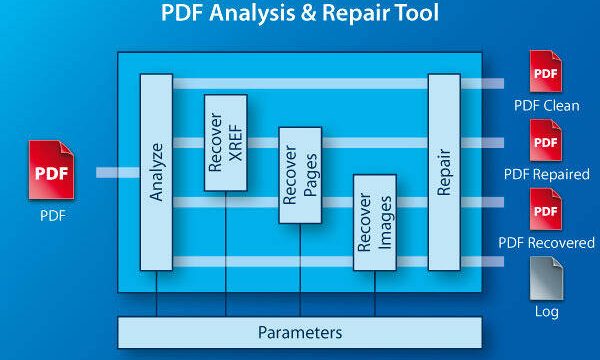
So you’ve got a PDF that just won’t open—maybe it throws an error, shows gibberish, or just sits there loading forever. You’re not alone; corrupted PDFs happen all the time because of bad downloads, drive errors, or failed cloud syncs. This guide is for anyone who’s staring at a broken PDF and thinking, “I really need the data inside.” By the end, you’ll have a working PDF (or at least a solid recover attempt) using a mix of free tools, online services, and clever tricks—no deep tech skills required.
We’ll walk through the most effective methods, from simple browser checks to command-line magic. Most of these steps take only a few minutes, and you won’t need a credit card. Whether you’re a student desperate for a lecture note or a pro saving a client document, these techniques have your back.
What You’ll Need
- The damaged PDF file (obviously)
- A computer with internet access
- A PDF viewer (Adobe Acrobat Reader, browser, etc.)
- Optional: command-line tool like qpdf (free, works on Windows/Mac/Linux)
- Optional: hex editor (like HxD or Hex Fiend) for advanced fixes
Step 1: Diagnose and Try a Quick Reopen
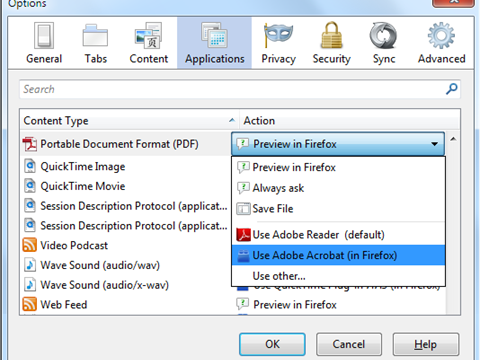
Before diving into repair tools, let’s see exactly what’s wrong. Try opening the file in a different program—sometimes Adobe Reader fails but Chrome or Edge handles it. Right-click the file, select “Open with,” and pick a browser. If that works, save a copy from the browser. Also check the file size: a 0-byte or tiny file is usually beyond repair, but a file that’s its normal size often has a minor corruption we can fix.
Write down any error message you see. Common ones include “Damaged file,” “Invalid header,” or “End-of-file error.” Matching the error to a specific technique later can save time. For example, a PDF end-of-file error often responds well to adding a missing %%EOF marker, which we’ll cover.
Step 2: Use an Online PDF Repair Tool
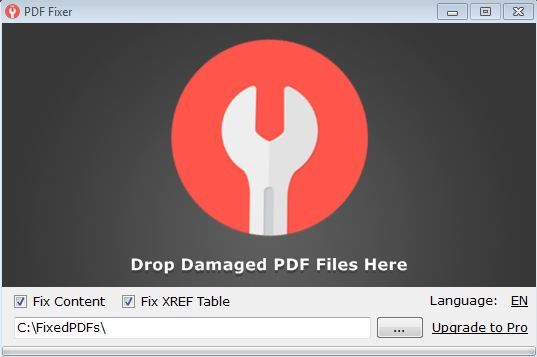
Online repair tools are the easiest option—just upload and download. Services like PDF24, Smallpdf, or our own preferred tool offer PDF repair online without watermark for free. Upload the corrupted file, wait a few seconds, and download the repaired version. These tools work best for minor corruption like missing cross-references or broken page trees.
A word of caution: don’t upload sensitive documents to unknown servers. If privacy concerns you, use a desktop tool instead. Also, if the online tool fails, the corruption is probably deeper—but we’re not done yet.
Step 3: Repair with qpdf (Command-Line Tool)
qpdf is a free, open-source tool that can fix many structural PDF issues. It’s like a paramedic for PDFs. Download it from sourceforge.net or install via your package manager. The basic repair command is: qpdf --replace-input damaged.pdf. That overwrites the original with a cleaned copy. For a more conservative approach: qpdf --linearize damaged.pdf repaired.pdf. This rebuilds the file from scratch, often resolving PDF xref stream repair issues.

If qpdf reports “file is damaged but can be recovered,” it will automatically generate a fixed version. You can also try qpdf --check damaged.pdf to see a report of what’s broken. qpdf is our go-to for most corruption because it handles headers, streams, and object structures without altering content.
Step 4: Try Adobe Acrobat’s Built-In Repair
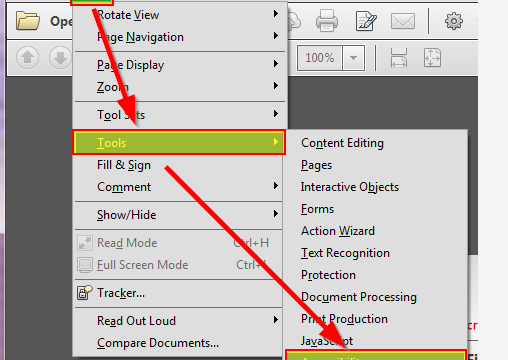
If you have Adobe Acrobat Pro (not just Reader), it includes a repair function. Open Acrobat, go to File > Open, select the damaged file, and if it opens with warnings, click “Repair” in the warning bar. Alternatively, use File > Create > Create PDF from File, selecting the damaged PDF. This often rebuilds the file if Acrobat can read any part of it. For a free damaged PDF recovery option, Acrobat’s trial might be enough for a one-time fix.
Step 5: Manual Hex Editing (Advanced)
When everything else fails, you can manually fix the file with a hex editor. This is for the brave, but it can rescue files with missing headers, incorrect cross-reference tables, or truncated content. Open the damaged PDF in a hex editor (like HxD). Look for the %PDF-1.x header—it should be at the very start. If it’s missing or garbled, type or paste the correct header. Similarly, the file should end with %%EOF. Adding that can fix an invalid PDF header or truncation issue.
Common Pitfalls
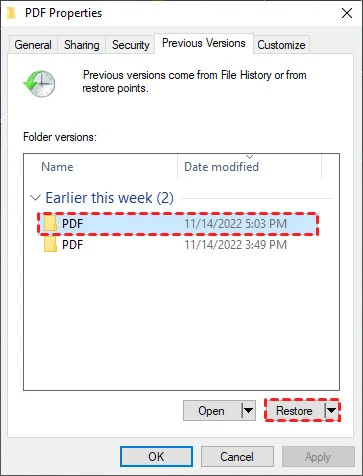
- Not backing up the original file: Always make a copy before attempting repair, especially with hex editing or qpdf’s overwrite mode. One wrong keystroke can make the file unrecoverable.
- Using unreliable online tools: Some free services add watermarks, limit file size, or won’t delete your uploads. Stick with reputable names or read privacy policies. Also, uploading confidential docs to random sites is risky.
- Ignoring warnings: If a tool says the file is beyond repair, don’t keep trying the same method. Switch to a different approach—like qpdf if an online tool failed, or manual hex editing if software failed.
Where to Next
You’ve recovered your PDF—great! Now that you’re equipped with repair skills, check out our guides on specific issues like invalid PDF header fixes or PDF xref stream repair for deeper dives. If recovery didn’t work, try the free damaged PDF recovery tools we reviewed—they might catch what we missed. And remember, prevention is easier: always keep backups and scan downloads for corruption.