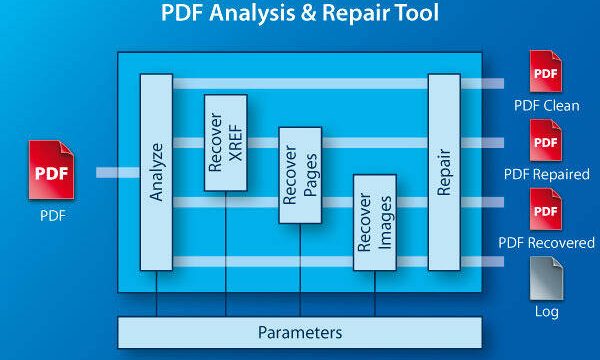
PDF files are everywhere, but they can sometimes get corrupted. Maybe you can’t open a crucial report, or you see error messages instead of your content. Scrambling for a solution only to find tools that slap a huge watermark on your output is frustrating. This guide is for anyone who needs to repair a damaged PDF quickly, for free, and without any watermarks. By the end, you’ll have a clean, usable PDF that looks exactly like the original.
We’ll walk through two main approaches: using a free online tool (no download required) and a desktop method with Ghostscript for maximum privacy. Both produce watermark-free results. No hidden fees, no subscriptions, just solid ways to recover a corrupted PDF. Let’s jump in.
What You’ll Need
- A corrupted PDF file (back it up first!)
- A computer with an internet connection
- A web browser (Chrome, Firefox, Edge, etc.)
- Optional: Ghostscript installed (free, open-source) if you prefer an offline solution
Step 1: Identify the Problem and Back Up Your PDF
Before you do anything, make a copy of your corrupted PDF. That way, if something goes sideways, you can always start over. Then open the file to see what’s wrong. Common symptoms: a blank page, garbled text, missing images, or an error like ‘The document could not be opened.’ Knowing the issue helps you choose the right repair method.

Step 2: Choose a Free PDF Repair Method
You have two solid options. For a quick fix, use one of the best free online PDF repair tools — they work right in your browser and won’t add watermarks if you choose the right service. Our article on best free online PDF repair tools reviews several that keep your output clean. For sensitive files, go offline with Ghostscript, a powerful command-line tool that handles corruption without sending your data anywhere.
Step 3: Upload and Repair Using an Online Tool
Head to your chosen online repair service. Upload the corrupted PDF (most accept files up to 50–100 MB for free). Click the repair button and wait a few seconds. Once done, download the fixed file. It should open without errors and with no watermark. If the tool tries to add a logo, try a different one from our recommendations.
Step 4: Verify the Repaired PDF
Open the repaired PDF in your usual viewer. Check every page—scroll through, test links, and confirm images appear correctly. If you’re missing content, you might need to repair specific PDF pages separately. For stubborn issues, consider using the desktop method next.
Step 5: (Optional) Repair with Ghostscript Offline
If the online tool fails or you’re privacy-conscious, use Ghostscript. Install it, then open a terminal (Command Prompt on Windows, Terminal on Mac/Linux). Run this command: gs -o output.pdf -sDEVICE=pdfwrite -dPDFSETTINGS=/prepress input.pdf (replace input.pdf with your corrupted file). This re-writes the PDF, often fixing structural corruption. The result is a watermark-free, clean file.
Common Pitfalls
- Watermark traps: Some ‘free’ online tools add watermarks unless you pay. Always read the fine print. Stick with tools our best free online PDF repair tools reviews recommend to avoid this.
- File size limits: Many free services cap uploads at 20–50 MB. If your PDF is larger, compress it first or use Ghostscript offline.
- Not all corruption is fixable: Severe file damage (like a shredded file structure) may not be repairable. That’s why backing up is critical. For partial recovery, try to recover a corrupted PDF using multiple methods.
Where to Next
You’ve successfully repaired your PDF for free without watermarks. Nice work! If you run into specific issues, dive into our guides on how to fix PDF errors online or online damaged PDF recovery. For page-level problems, learn how to repair specific PDF pages. And if you ever need to recover a corrupted PDF from scratch, we’ve got you covered.