You’re knee-deep in a research paper, and suddenly your academic PDF — that journal article or thesis you desperately need — won’t open. Or it’s full of gibberish, or the pages are blank. It’s frustrating, but don’t panic. This guide is for students, researchers, and academics who aren’t tech wizards but need a working PDF fast. By the end, you’ll have a readable PDF (or at least a salvageable text copy) using free tools and a few simple tricks.
I’ll walk you through both quick online fixes and more manual techniques for when the easy route fails. Whether your PDF was damaged during download, a system crash, or just corrupted by age, these steps have saved my own thesis chapters more than once. Let’s get your academic work back.
What You’ll Need
- Your corrupted academic PDF file
- A computer with internet access (tablet works too)
- A PDF viewer (Adobe Acrobat Reader, browser, etc.)
- Optional: a free online PDF repair service (we’ll cover which)
- Optional: a text editor or PDF editor (like LibreOffice or Word) for manual recovery
Step 1: Assess the Damage
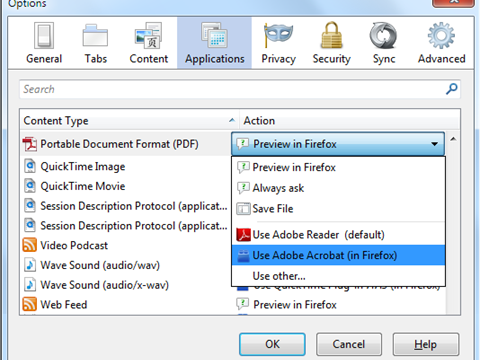
First, try opening the PDF in a few different viewers. Sometimes the issue is with your reader, not the file itself. Open it in your browser (Chrome, Edge, Firefox) and in Adobe Acrobat Reader. If it opens partially, take note of what’s wrong: blank pages, scrambled text, missing images, or error messages. This helps choose the right fix.
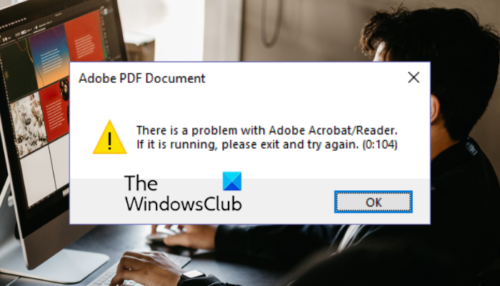
If the file doesn’t open at all, check the file size. A very small file (e.g., 2 KB) is probably corrupt beyond simple repair, but often it’s just a bad download. If the file size looks normal (hundreds of KB to MB), you have a good chance. For a thorough check, you can use a pdf diagnostics tool to pinpoint problems.
Step 2: Use an Online Repair Tool
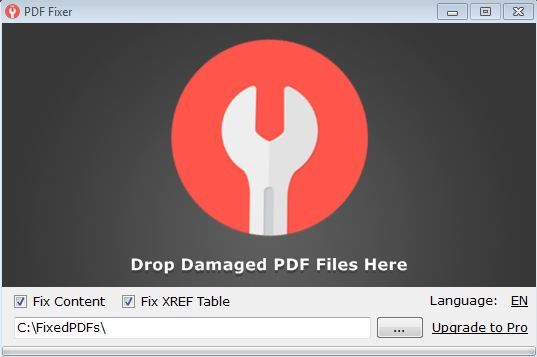
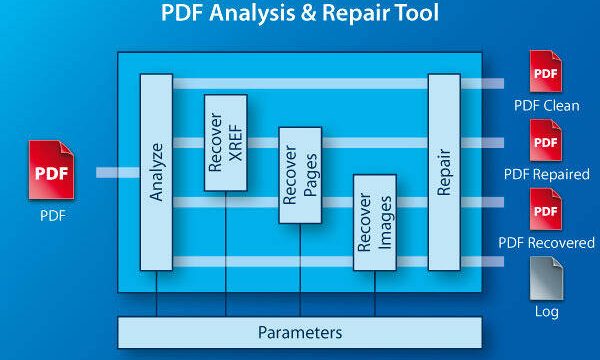
The easiest fix is to upload your PDF to a free online repair service. Many tools specialize in academic PDFs because they expect common structures (text, figures, equations). Go to a reputable site — I recommend one of the tools we use for damaged pdf repair online. Simply upload the file, wait a few seconds, and download the repaired version.
If the tool offers an option like “automatic pdf repair,” use it. These services often rebuild the PDF structure and fix cross‑reference tables. In my experience, they recover about 80% of academic PDFs. Also, if you have a large file, some tools allow you to upload pdf to repair without size limits — just check the restrictions. For garbled text, look for a tool specifically for repair garbled pdf.
Step 3: Repair with a PDF Editor (Manual Method)
When online tools fail, try a local PDF editor like LibreOffice Draw (free) or Adobe Acrobat Pro (paid). Open the PDF in LibreOffice Draw — it often ignores minor corruption and renders the content anyway. Then you can export as a new PDF. If text is missing, you can even copy and paste from Draw into a word processor.
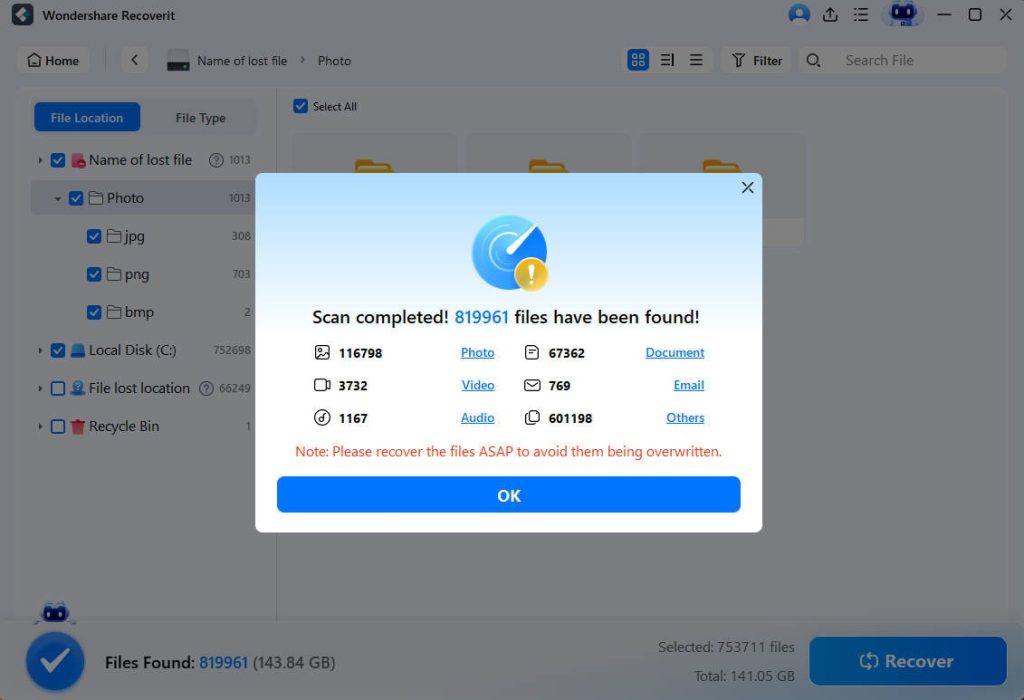
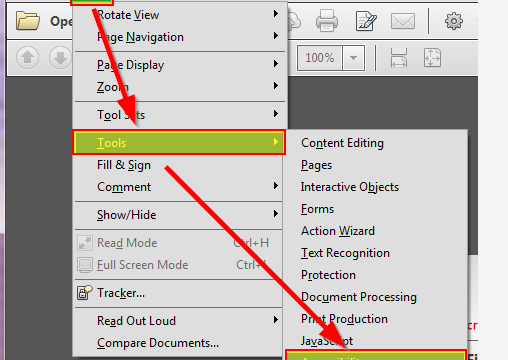
Another manual trick: open the PDF in a web browser and use “Print” to save as a new PDF. Go to File → Print, choose “Save as PDF” as the destination. This can flush out corrupt data. It works surprisingly well for academic PDFs that only display correctly in the browser. And if the PDF is just a scanned image that’s misbehaving, you can fix pdf file by re-OCR-ing the pages in Adobe Acrobat (under Enhance Scans).
Step 4: Extract Text as a Last Resort
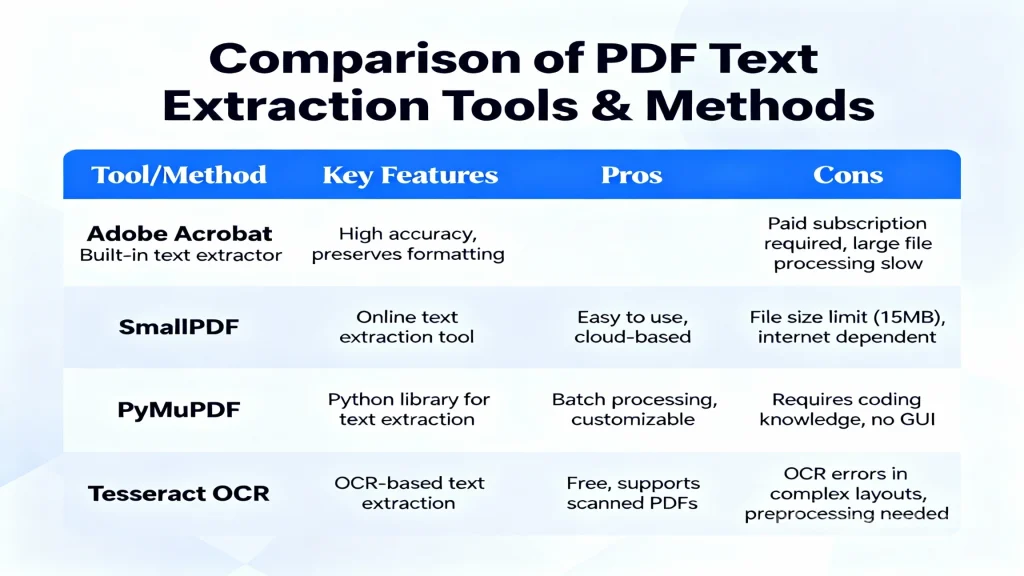
If the PDF is too damaged to repair structurally, extract the raw text. Use a free online PDF to TXT converter. Even a garbled PDF often still contains embedded text. You’ll lose formatting and figures, but you’ll recover the words — essential for a thesis. After extraction, clean up the text in a word processor. Sometimes the PDF is actually a scanned image, so you’ll need an OCR tool like Google Docs (upload and open with Google Docs).
Common Pitfalls
- Saving over the original: Always work on a copy. If the repair makes things worse, you lose your only version.
- Using the wrong tool: Not all online repair tools handle academic PDFs well. Some strip images or equations. Stick with tools designed for complex layouts.
- Ignoring fonts: Academic PDFs often use special fonts (e.g., for math symbols). If text appears as boxes or missing, install the necessary fonts on your system before opening.
Where to Next
Once your PDF is fixed, consider backing it up to a cloud service to avoid future headaches. And if you run into more issues, our guides on fixing PDFs from WhatsApp or recovering PDFs after a system crash cover specific scenarios. Keep these steps bookmarked — they’ve bailed me out countless times during late‑night research sessions.