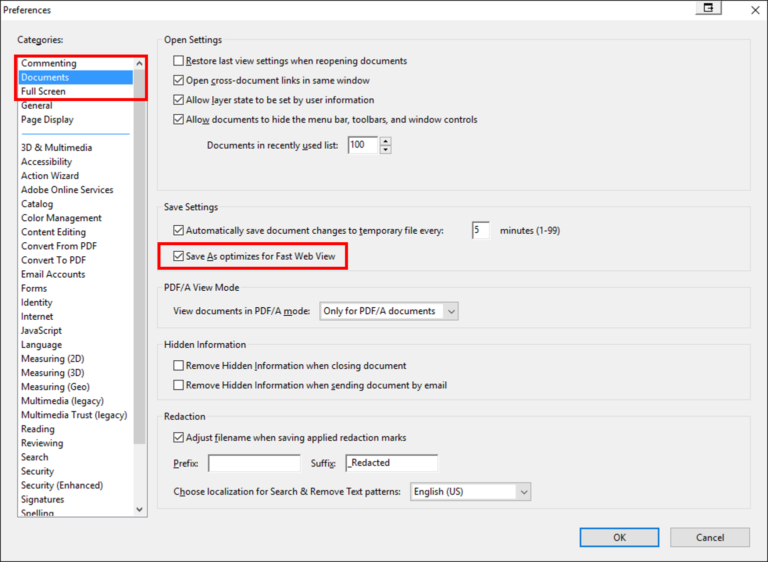
Ever opened a PDF that loads super fast in your browser but then shows scrambled text, missing images, or just won’t display at all? That’s the dark side of ‘fast web view’—a linearization trick that optimizes PDFs for quick first-page loading. If you’re a student, freelancer, or office worker dealing with a linearized PDF that’s gone bad, this guide is for you. By the end, you’ll have a clean, standard PDF that works everywhere.
We’ll cover four foolproof methods: using Adobe Acrobat, a free command-line tool, an online repair service, and even a manual hex-edit trick. No matter your tech level, you’ll find a fix that sticks. And if you need to handle other PDF nightmares, check out our guides on how to [repair academic PDF] or [fix corrupted PDF online free].
What You’ll Need
- The problematic PDF file (back it up first!)
- Optional: Adobe Acrobat Pro (trial works) or a free PDF editor
- Optional: A computer with a command line (Windows, macOS, or Linux)
- Optional: Stable internet connection for online tools
Step 1: Identify the Problem
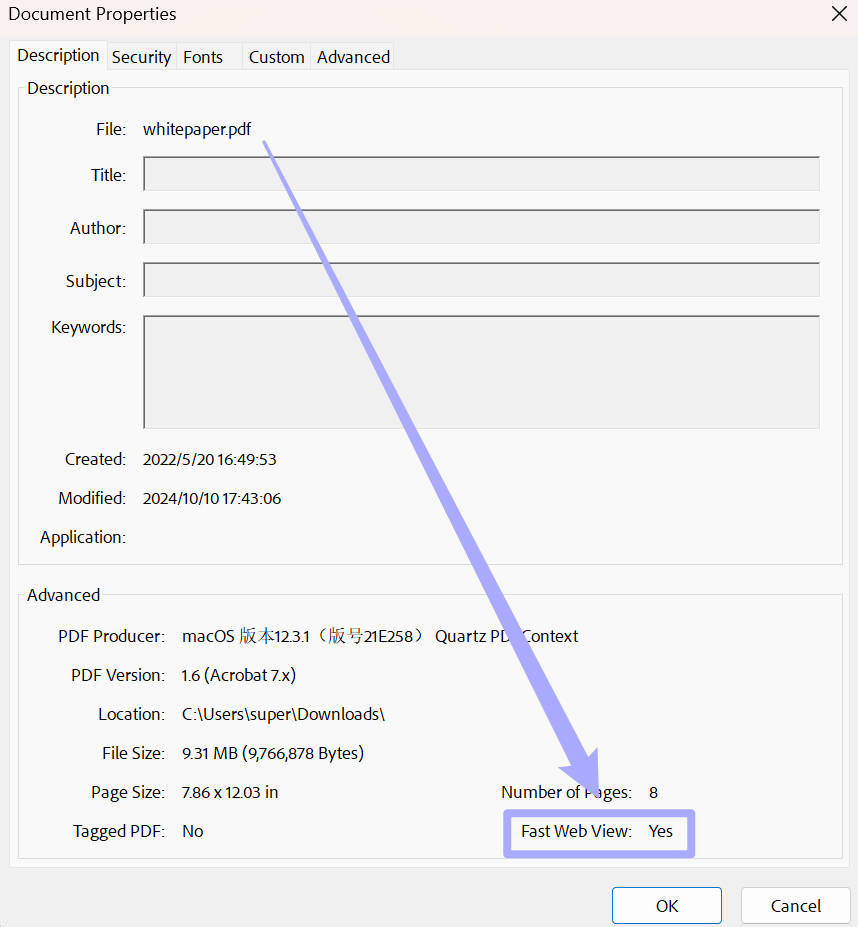
Before you fix anything, confirm the PDF has fast web view enabled. Open the file in a text editor like Notepad++ (or any hex viewer) and look for the string ‘Linearized’ near the first few lines. If you see it, you’ve got a linearized PDF. Alternatively, if the PDF opens normally in some readers but breaks in others, it’s likely the linearization structure is corrupted.
Step 2: Use Adobe Acrobat Pro
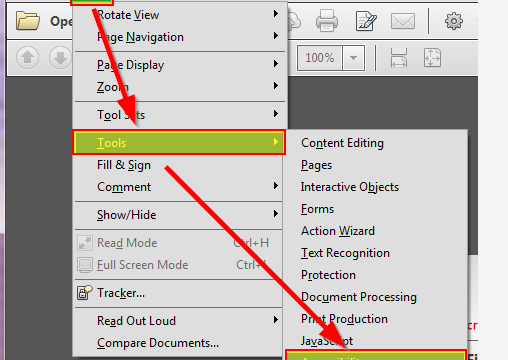
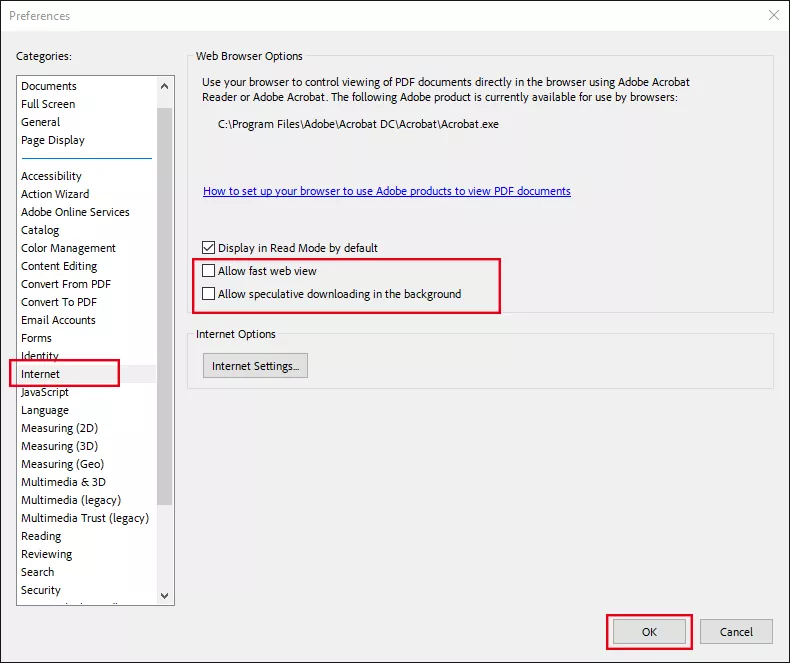
The easiest fix is to re-save the PDF without fast web view. Open the file in Adobe Acrobat Pro, go to File → Save As Other → Optimized PDF. In the dialog, click on ‘Discard User Data’ and uncheck ‘Fast Web View’. Then hit ‘Save As’ and choose a new name. This rewrites the entire PDF structure, stripping the linearization. If your PDF is an academic paper or ebook, this method also works great for a clean [recover ebook PDF].
Step 3: Use a Free Command-Line Tool
If you don’t have Acrobat, install QPDF (a free, open-source tool). Open your terminal and run: qpdf –linearize –replace-input yourfile.pdf. Wait—that actually creates a linearized PDF. To remove linearization, instead use: qpdf –decode-level=all yourfile.pdf output.pdf. This decompresses and re-encodes the PDF into a standard format. It’s especially useful for large files or batch processing. For more complex corruption, see our [repair PDF invalid header] guide.
Step 4: Use an Online Repair Tool
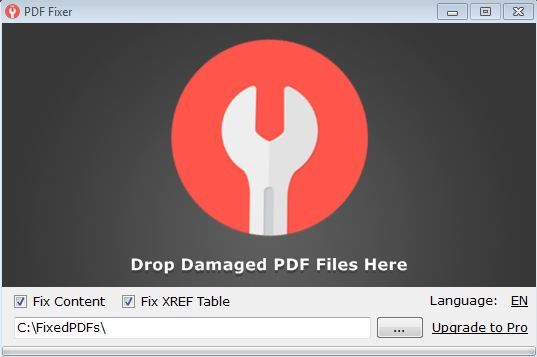
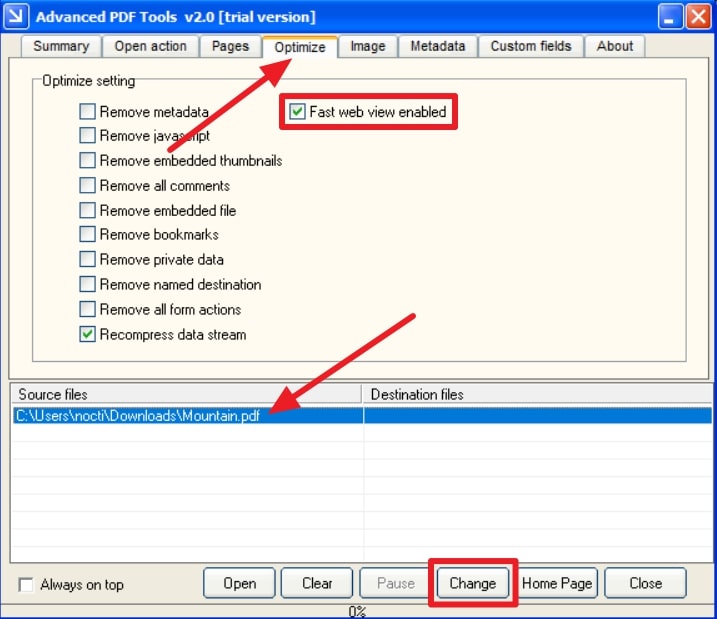
Prefer a GUI? Upload your PDF to a trusted online repair service. Look for one that specifically mentions ‘linearization removal’ or ‘fast web view fix’. Most will download a repaired version instantly. Always use a service that doesn’t store your files permanently. For a reliable option, try our recommended [fix corrupted PDF online free] tool—it handles linearization issues in seconds.
Common Pitfalls
- Forgetting to backup: Linearization fixes rewrite the file. If something goes wrong, you might lose data. Always keep the original.
- Using the wrong command with QPDF: Running ‘qpdf –linearize’ instead of the linearization-removal command will make the problem worse. Double-check your flags.
- Relying solely on free online tools: Some free services add watermarks or reduce quality. For sensitive documents, use a desktop solution.
Where to Next
Now your PDF should behave on any device. If you still run into issues, explore our other tutorials on handling specific PDF problems, like [repair PDF after malware] or recovering damaged streams. Happy fixing!