You’re knee-deep in writing a term paper, and the one PDF you need—from a journal article, a textbook chapter, or a conference proceeding—refuses to open. Or it opens but shows gibberish symbols, missing pages, or a scary ‘file is corrupted’ error. This happens more often than you’d think, especially with older or poorly scanned academic PDFs. This guide is for students, researchers, and anyone who relies on PDFs for school or work. By the end, you’ll have a clear set of steps to revive that stubborn file using free tools and a few manual tricks.
We’ll start with the quickest fixes—like trying a different viewer or re-downloading—then move to online repair tools, Adobe Acrobat’s built-in repair, and finally some manual hex editing for the truly desperate. You don’t need to be a tech wizard; just follow along. And if one method fails, try the next—most damaged PDFs can be saved with a bit of patience.
What You’ll Need
- The corrupted PDF file (obviously).
- A computer or smartphone with internet access.
- A PDF reader (like Adobe Acrobat Reader, Foxit, or browser).
- Optional: Adobe Acrobat Pro (trial works for one repair).
- Optional: A hex editor (like HxD for Windows or Hex Fiend for Mac).
Step 1: Try a Different PDF Viewer
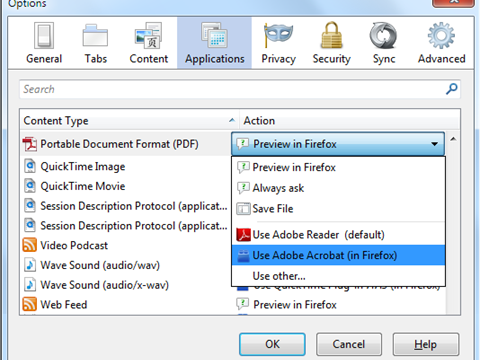
Sometimes the file is fine, but your viewer is the problem. Academic PDFs often use older compression or fonts that some readers choke on. Open the file in another app: if you’re on a phone, try a dedicated PDF app; on desktop, use Chrome or Edge’s built-in PDF viewer. If it opens, simply save a copy from that viewer. If not, move on.
Step 2: Use a Free Online PDF Repair Tool
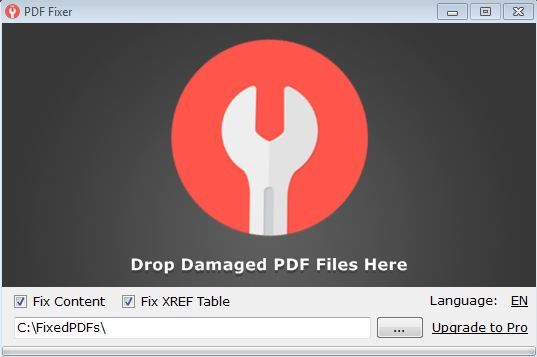
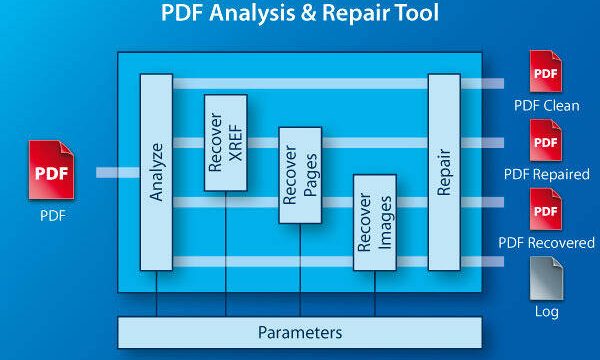
Online tools are your best friend for a quick fix. Head to a reputable site like PDFRepairs.click (we have a dedicated tool) or others. Upload your file—most accept PDFs up to a few hundred MB for free. The tool scans for common errors like invalid headers, missing cross-references, or broken streams. Download the repaired version. This works for about 80% of minor corruption. If you need a no-watermark option, check out our guide to fix corrupted pdf online free no watermark.
Step 3: Repair with Adobe Acrobat Pro
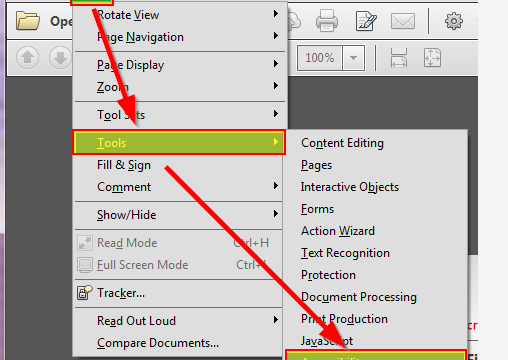
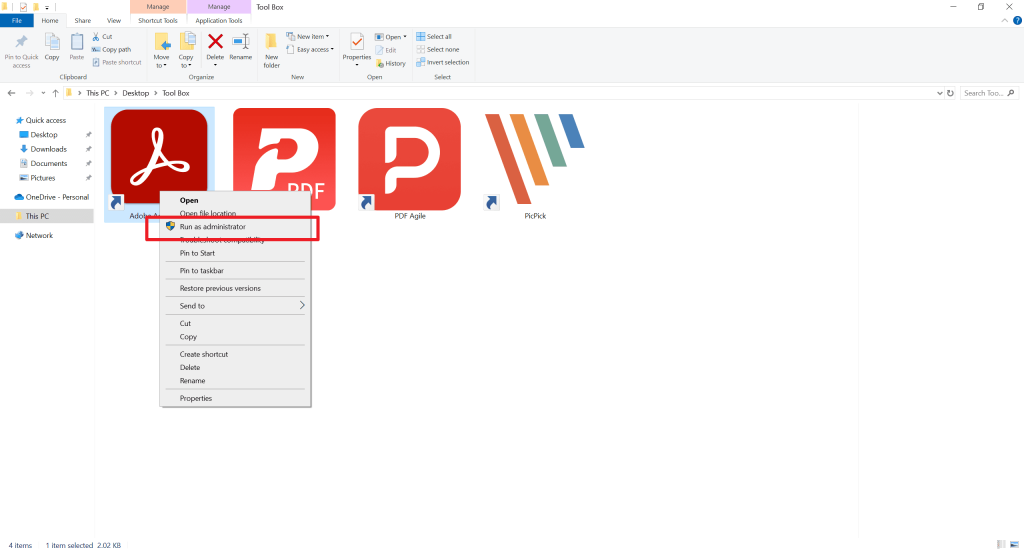
If the online tool didn’t cut it, Adobe Acrobat Pro has a hidden repair feature. Open Acrobat Pro, go to File > Open, select the corrupted PDF, and click the drop-down arrow next to the Open button. Choose ‘Open and Repair.’ Acrobat will try to reconstruct the file. This is especially good for PDFs with broken internal structure. It’s not available in the free reader, but you can use the 7-day trial. After repair, save the file. For academic PDFs that are incomplete (missing pages), this method often recovers them—learn more about how to repair incomplete pdf.
Step 4: Fix a Corrupted Header Manually
Sometimes the PDF header is damaged, making the file unreadable. A common error is ‘invalid header’ (e.g., missing ‘%PDF’ at the start). You can fix this with a hex editor. Open the PDF in a hex editor (like HxD). Look at the first bytes—they should start with ‘%PDF-1.x’. If they’re garbage, delete everything before ‘%PDF’ or type it in manually. Save and try opening. This is a quick way to repair pdf invalid header issues. Be careful not to delete data—just the very beginning.
Step 5: Recover from a Backup or Re-download
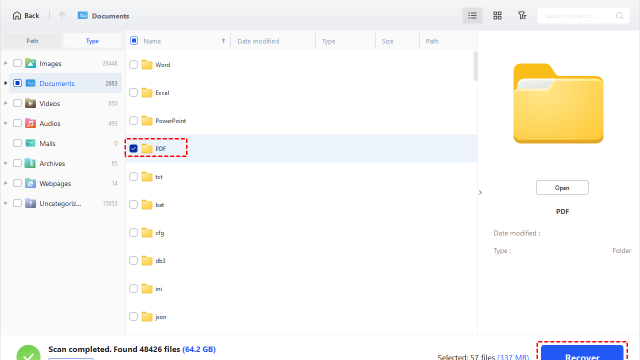
If nothing works, the source might be your best bet. Check if you have a backup (cloud storage like Google Drive often keeps older versions). Or re-download from the academic database, your email attachment, or the course website. Many universities have a library proxy that might yield a fresh copy. If the PDF was on your phone and it got corrupted, see our guide on how to repair pdf on android for mobile-specific tips. As a last resort, you can try to restore pdf file from a system restore point (Windows) or Time Machine (Mac).
Common Pitfalls
- Downloading repair tools from sketchy sites: Use only reputable sources. Free online tools should not ask for credit card info. Stick to well-known services or those recommended by your university.
- Overwriting the original file: Always work on a copy. If the repair makes things worse, you don’t want to lose the original. Save repaired versions with a new name.
- Assuming all PDFs can be 100% repaired: Some are too far gone—especially if they were created from a corrupt source or malware. Accept that sometimes you need to find an alternative copy.
Where to Next
Now that you’ve saved your academic PDF, consider backing up future downloads to a cloud service with versioning. For other common PDF issues, check out our guides on fixing fillable PDF forms or dealing with PDFs that show symbols instead of text. Happy studying!