So you just downloaded a PDF from email, cloud storage, or a file transfer service, and now it’s acting up—won’t open, shows garbage characters, or is missing pages. That’s a classic corruption from network transfer, and it happens more often than you’d think. Don’t panic: this guide is for anyone who’s ever had a PDF get scrambled during transfer, and by the end, you’ll have a clean, readable document back.
We’ll walk through four practical methods, from simple fixes you can do in seconds to more advanced tools for stubborn cases. No special skills required—just a bit of patience and the steps below. By the end, you’ll know how to handle any transfer-related PDF corruption like a pro.
What You’ll Need
- The corrupted PDF file (keep a backup copy)
- A computer with internet access
- Optionally: a free PDF reader like Adobe Acrobat Reader or Foxit Reader
- Optionally: command-line access if you’re comfortable with that
Step 1: Quick Checks – File Size, Rename, and Different Reader
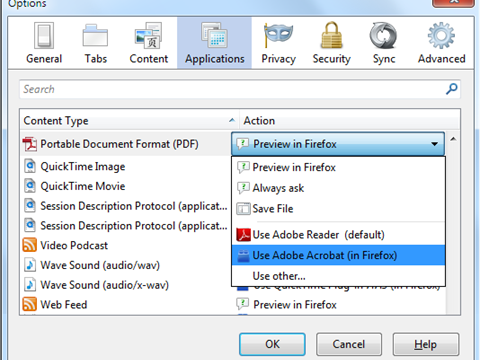
Before diving into repair tools, let’s rule out simple issues. First, check the file size: right-click the PDF and select Properties (Windows) or Get Info (Mac). If the size is way smaller than expected (e.g., 0KB or just a few KB), the transfer probably didn’t complete. In that case, try downloading the file again. If the size seems right, rename the file to something short with no special characters and try opening it. Sometimes a quirky filename causes problems. Also, try opening the PDF in a different reader—Adobe Reader, Foxit, or even your browser. Different readers handle minor corruption differently, and this might be all you need. If it opens fine, you’re done.

Step 2: Try an Online PDF Repair Tool
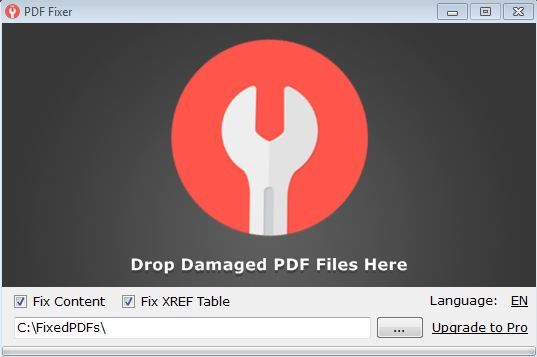
If the quick checks didn’t work, the easiest next step is using an online repair service. There are many free ones that fix common corruption issues without installing anything. Upload your PDF, let the tool work its magic, and download the repaired version. This is especially handy when you’re in a hurry or don’t want to mess with software. For more details, check out our guide on online PDF fixer tools—it covers the best free services and how to use them safely.
Step 3: Use Ghostscript (Command-Line Method)
If online tools didn’t do the trick or you prefer an offline solution, Ghostscript is a powerful open-source tool. It can reconstruct corrupted PDFs by reinterpreting the low-level content. Install Ghostscript (available for Windows, Mac, Linux), then open a terminal and run a command like this: gswin64c -o repaired.pdf -sDEVICE=pdfwrite -dPDFSETTINGS=/prepress corrupted.pdf. This creates a clean copy. It’s a bit technical but very effective for deep corruption. For a full walkthrough, see our article on repairing with Ghostscript.

Step 4: Use a Browser-Based PDF Repair Tool
Don’t feel like installing software? Many browsers now have built-in or extension-based PDF editors that can repair minor corruption. For example, Chrome’s built-in PDF viewer can sometimes salvage a partially damaged file by re-rendering it. Alternatively, browser extensions like PDF Viewer or online editors offer repair features. These are great for quick fixes on the go. We’ve covered the best browser-based repair tools in a separate guide—it’s worth a look if you prefer to keep things lightweight.
Common Pitfalls
- Pitfall 1: Not checking if the file actually transferred fully. Always verify file size and try downloading again before spending time on repair. A partial download often mimics corruption.
- Pitfall 2: Using the wrong repair method for the type of error. If the PDF just has missing images, a simple re-render might suffice; if the structure is broken, you’ll need a deeper tool like Ghostscript. Assess the symptoms first.
- Pitfall 3: Forgetting to back up the original corrupted file before attempting repairs. If a tool modifies the file and makes things worse, you’ll want the original to try another method.
Where to Next?
Now that you’ve fixed your PDF, you might want to explore related issues. If you often get corruption from email, our guide on repairing email attachments has tips to prevent it. For those times when a download never finishes, check out recovering incomplete downloads. And if you ever have trouble with a signed PDF that won’t open, we’ve got you covered with a dedicated guide. Happy reading—and may your future transfers be clean and error-free!