Ever opened a PDF only to find the text looks like a garbled mess? Or maybe the fonts are missing entirely, leaving you with boxes and random symbols. This guide is for anyone struggling with PDF font issues—whether you’re a student, office worker, or casual user. By the end, you’ll have a clean, readable PDF with properly embedded fonts, using free tools that work on Windows, Mac, and Linux.
Font problems in PDFs usually happen when the original fonts aren’t embedded, or when the PDF reader substitutes a different font that doesn’t display correctly. We’ll cover diagnosing the issue, embedding fonts with Ghostscript, replacing missing fonts with PDFedit, and using free online PDF repair tools for a quick fix. Let’s get started!
What You’ll Need
- A PDF with font issues (the file you want to fix)
- Ghostscript (free, open-source PDF toolkit) – download from ghostscript.com
- PDFedit or similar PDF editor (optional, for font substitution)
- A web browser for online tools
- Basic command-line familiarity (for Ghostscript)

Step 1: Diagnose the Font Problem
Before fixing, you need to know exactly what’s wrong. Open your PDF in Adobe Reader or any viewer and look for signs: text replaced with squares, garbled characters, or missing letters. To get technical details, use a tool like PDFinfo (part of the Poppler suite) or the free online PDF analyzer at pdfx.es. Run the command: pdfinfo -f 1 -l 3 yourfile.pdf (for first three pages) to list fonts. If fonts are listed as “non-embedded,” that’s the issue.

Step 2: Embed Fonts Using Ghostscript
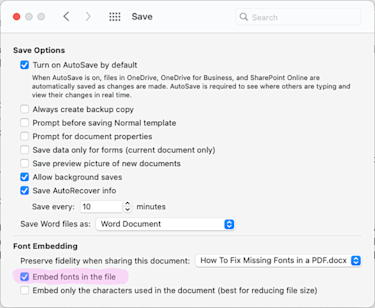
Ghostscript can re-embed fonts into a PDF. Open a terminal or command prompt and use this command: gswin64c -o output.pdf -sDEVICE=pdfwrite -dEmbedAllFonts=true input.pdf (on Windows; on Mac/Linux use gs). This creates a new PDF with all fonts embedded. If Ghostscript complains about missing fonts, make sure the original fonts are installed on your system. For subset embedding (only used characters), add -dSubsetFonts=true.

Step 3: Substitute Missing Fonts Manually
If Ghostscript can’t find the original font, you can substitute it. Use a PDF editor like PDFedit or the commercial Adobe Acrobat Pro. In PDFedit, open the PDF and navigate to the page content, find font references, and replace the font name with a standard one like Helvetica or Times New Roman. This is more advanced but effective for stubborn files. For Acrobat Pro, use the “Preflight” tool under “PDF Standards” and choose “Embed missing fonts”. This is part of the broader Adobe Acrobat repair workflow.

Step 4: Use Free Online PDF Repair Tools
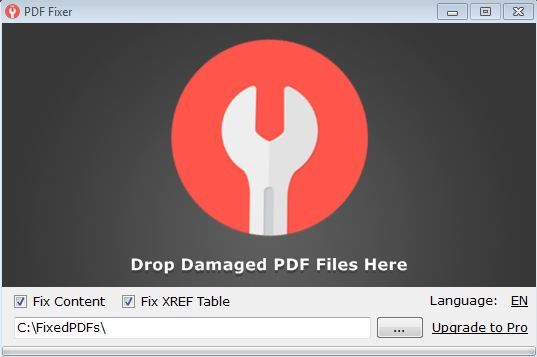
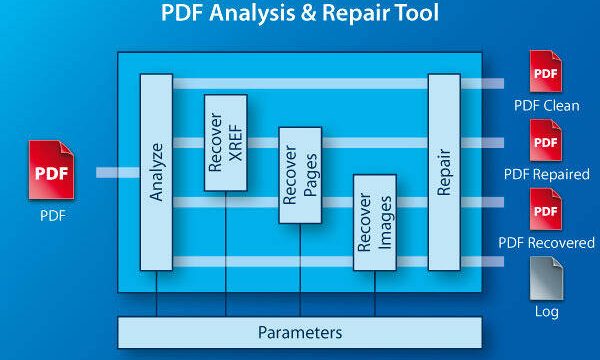
Don’t have the command-line patience? Use free online PDF repair tools that handle font embedding automatically. Sites like pdfx.es, smallpdf.com, or ilovepdf.com offer “Repair PDF” features. Upload your file, let them process, and download the fixed version. These tools often fix font issues by re-embedding or flattening text. Check out our guide on free online PDF repair tools for more options. This is the easiest method for beginners and works on the same principle as the command-line fixes.

Step 5: Verify the Fix
Open the repaired PDF in your reader. Zoom in and out to check for any remaining glitches. Use PDFinfo again to confirm that fonts are now listed as “embedded”. Also print a test page to ensure the fonts render correctly. If you still see blank pages where text should be, refer to our guide on fixing blank pages in PDFs. For other issues like a broken PDF that won’t open, our broken PDF solution might help.
Common Pitfalls
- Font licensing restrictions: Some fonts cannot be embedded due to copyright. Use a font with a permissive license or substitute with a free alternative.
- Not embedding subset fonts: Embedding the entire font can bloat file size. Use subsetting to include only used characters, but ensure all characters are covered.
- Wrong font substitution: Substituting with a font that doesn’t support the language (e.g., using Arial for Chinese characters) will cause more garbling. Choose a font with the required character set.
Always test the fixed PDF on different readers (Adobe Reader, browser, mobile) to ensure the fonts display consistently.
PDF Repair Tips
Where to Next
Font issues solved? Great! If you run into other PDF problems like a PDF that won’t open, check our guide on repairing a PDF that won’t open. Or if you’re dealing with corrupted files, our repair guides have you covered. Happy PDF fixing!