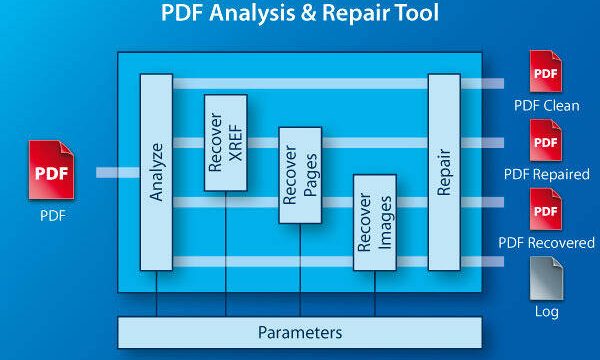
You’re trying to open an important PDF, but all you get is an error message. Maybe it won’t open at all, or it shows garbled text and missing images. This happens more often than you’d think, but don’t panic—I’ve been there, and there’s a good chance you can get your file back. This guide is for anyone who has a corrupted PDF and wants to recover it without spending a dime on expensive software.
By the end of this tutorial, you’ll have a fully recovered PDF (or at least the content extracted from it). We’ll cover free online tools, desktop software, and manual methods. I’ll also warn you about common mistakes that can make things worse. Let’s dive in.
What You’ll Need
- A computer with internet access
- The corrupted PDF file (keep the original safe)
- A free online PDF repair tool (like Smallpdf or ILovePDF)
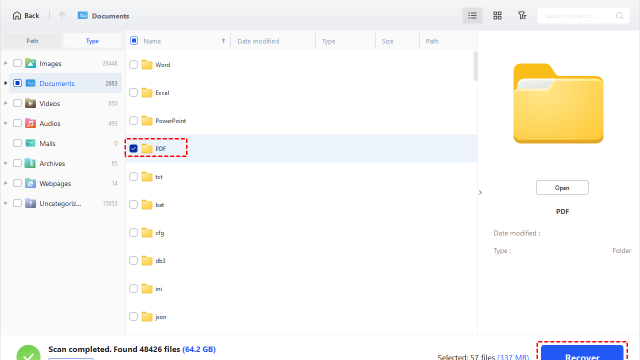
- A PDF repair desktop app (like PDF Repair Toolbox or Recuva for raw recovery)
- Optional: A text editor like Notepad++ for manual repair
Step 1: Diagnose the Corruption
First, try to open the PDF in different readers (Adobe Acrobat, Chrome, Edge). Note the exact error. Is it saying the file is damaged or that the format is invalid? This gives you a clue. For example, if you see a message like ‘pdf file corrupted and cannot be opened‘, you’re in the right place.

Step 2: Use an Online PDF Repair Tool
Online tools are quick and free. Go to a trusted site like Smallpdf or ILovePDF. Upload your corrupted PDF and see if they can fix it. Many online services can rebuild the file structure. If the repair succeeds, download the recovered PDF. This method works for minor corruption. For more stubborn cases, check out our guide on how to repair pdf for free.
Step 3: Try Desktop Software
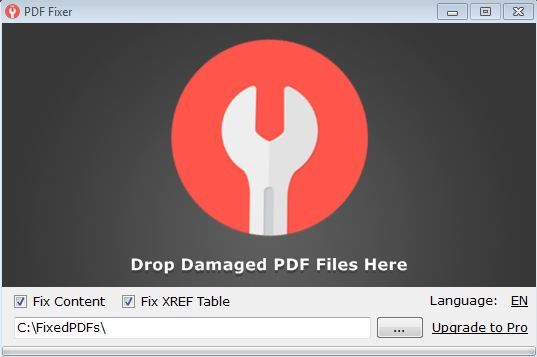
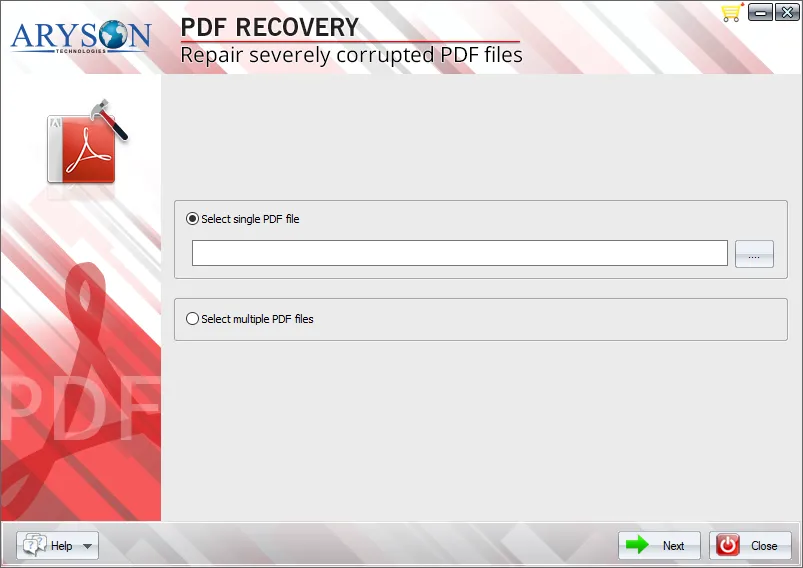
If online tools fail, download a dedicated PDF repair app. Adobe Acrobat Pro has a built-in repair feature (File > Open > choose corrupted file > Repair). For a free option, try PDF Repair Toolbox. Install it, open your file, and hit repair. This works well for files that have invalid structure. If you have many files, our guide on repair multiple pdf files can save time.
Step 4: Manual Repair – Extract Content with a Text Editor
When automated repair fails, you can manually extract the text. Open the PDF in Notepad++ (or any text editor that handles binary). You’ll see a lot of garbage, but look for readable text between stream markers. Copy the text and paste it into a new document. Then save as a new PDF. This method is tedious but can salvage data even from severely corrupted files.

Step 5: Recover from Backup or Previous Version
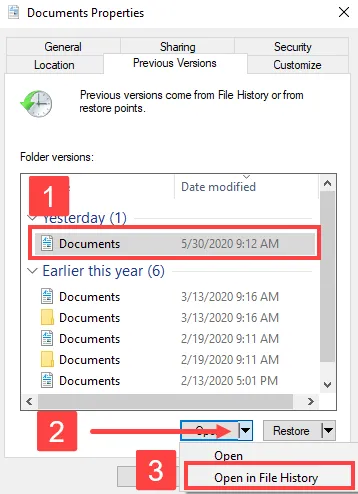
If you have a backup (Time Machine, File History, or a zip archive), restore the PDF from there. Windows and Mac keep previous versions of files. Right-click the file, select Restore Previous Versions. Alternatively, if you have the file inside a zip, follow our guide on recover pdf from zip file. Also, if the PDF is from an ebook, see our fix for fix ebook pdf.
Common Pitfalls
- Using untrusted online tools – they might steal your data. Stick to reputable sites like Smallpdf.
- Overwriting the original file – always work on a copy. If the repair makes it worse, you’ll lose the original.
- Ignoring backups – if you have a backup, use it first. Manual repair can be time-consuming.
Where to Next
You’ve successfully recovered your PDF. To avoid future corruption, regularly back up your files and avoid opening unknown PDFs. For related issues, check out our guides on invalid pdf format repair and how to repair pdf for free. If you’re dealing with a specific error like PDF Error 135, we have a dedicated article for that too.