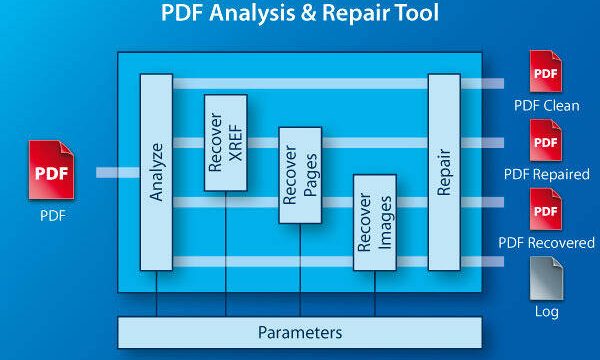
If you’ve ever opened a PDF and seen an error like “Trailer not found” or “Cross-reference table corrupted,” you’re dealing with a damaged trailer. This is the part of the file that tells your PDF reader where everything is located. Don’t worry — even if you’re not a tech pro, you can fix this with a little guidance. This guide is for anyone who has a PDF that won’t open and wants to get it working again without expensive software.
By the end of this guide, you’ll have a fully repaired PDF that opens normally. You’ll learn how to identify trailer issues, use free tools to fix them, and avoid common mistakes that can make things worse. Let’s get that file back in shape.
What You’ll Need
- The corrupted PDF file
- A text editor (like Notepad++ or VS Code) – for inspecting the trailer
- A PDF repair tool (free options: PDF Repair Toolbox, Online PDF Repair, or the integrated repair in Adobe Acrobat Pro)
- A backup of the original file (in case something goes wrong)
Step 1: Identify the Trailer Error
First, open the PDF in a text editor to see what’s happening. Scroll to the very end of the file. You should see a line starting with “trailer” followed by key-value pairs, and finally “%%EOF”. If these are missing or garbled, you’ve got a trailer problem. Take note of the last few lines — they’ll help you understand what’s broken.
Step 2: Check the Cross-Reference Table
The cross-reference table (or xref) is usually right before the trailer. It lists byte offsets for every object in the PDF. Look for the “xref” keyword followed by a table of numbers. If this table has missing entries or invalid offsets, the trailer can’t locate the objects. Use a tool like QPDF to analyze the xref or simply note any irregularities.

Step 3: Use a PDF Repair Tool to Fix the Trailer
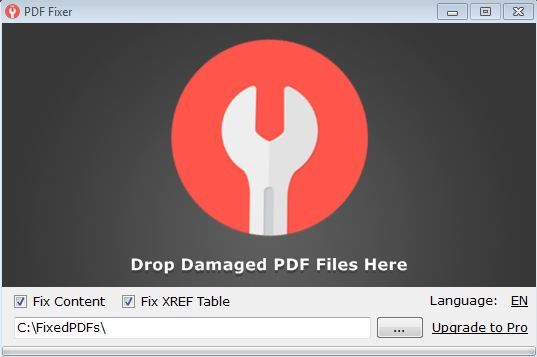
Now it’s time to repair. Open your PDF repair tool (e.g., PDF Repair Toolbox or an online service like the one at pdfrepairs.click). Load the corrupted file and look for a repair option related to the trailer or xref. Click “Repair” and let the tool rebuild the trailer. Many tools also have a “repair pdf without signup” option — no registration required. If the tool fails, you may need to try a manual approach or a more thorough corrupted pdf repair method.
Step 4: Verify the Repaired File
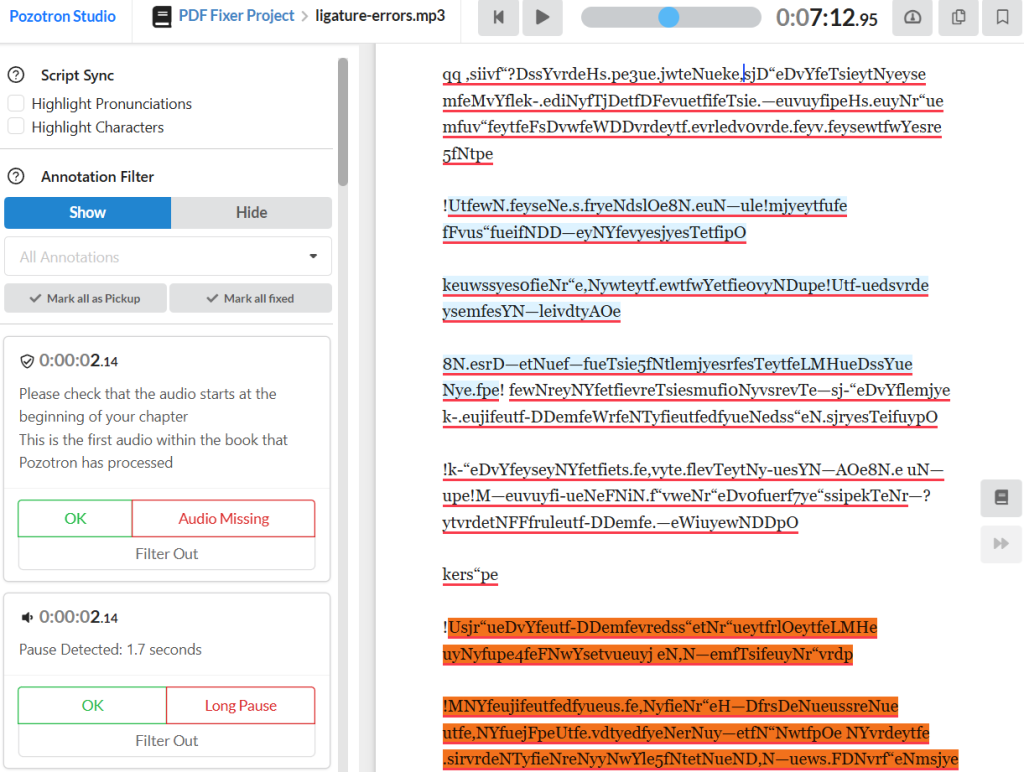
After repair, open the PDF in your usual reader (like Adobe Acrobat or a web browser). Check that all pages are there, images load, and text is selectable. If it opens without errors, you’re done! If not, try another tool or consult the pdf file repair solution guide for deeper fixes. You can also try a how to repair pdf file online service as a quick alternative.
Common Pitfalls
- Editing the raw PDF in a text editor and saving it incorrectly – This can introduce encoding errors. Always use a dedicated repair tool unless you really know what you’re doing.
- Forgetting to back up the original file – A failed repair can make the file unrecoverable. Always keep a copy.
- Using unreliable online tools that may upload your data to insecure servers – Stick to trustworthy services, like those recommended on pdfrepairs.click, and consider using a local tool for sensitive files.
Where to Next
Now that your PDF trailer is fixed, you might want to explore other common PDF issues. Check out guides on fixing missing pages, recovering damaged PDFs, or extracting images from a broken file. The PDF Repair & Tools section has plenty of step-by-step solutions to keep your documents healthy.