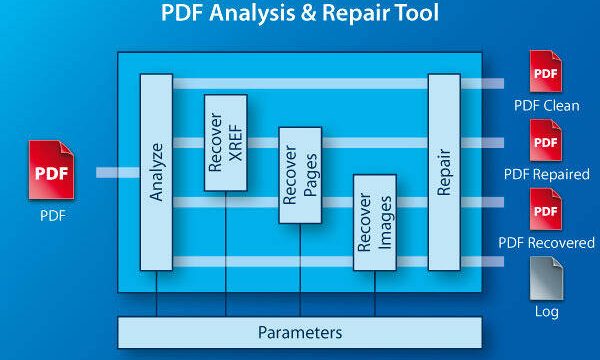
Have you ever tried to open a PDF and got an error message saying the file is damaged or can’t be read? It’s frustrating, especially when that file contains important work, a signed contract, or a precious ebook. But don’t worry — you don’t need expensive software or tech skills to fix it. This guide is for anyone who needs to repair a PDF quickly without spending a cent. By the end, you’ll have a working PDF that opens normally, and you’ll know how to avoid this problem in the future.
We’ll use free online tools that run right in your browser — no downloads, no signups, and definitely no watermarks. Whether your PDF is corrupted, refuses to open, or shows garbled text, the steps below have you covered. Let’s get your PDF back in shape.
What You’ll Need
- A corrupted or unopenable PDF file
- A computer or smartphone with internet access
- A modern web browser (Chrome, Firefox, Edge, or Safari)
- The file saved locally or accessible via a link
Step 1: Choose a Reliable Online PDF Repair Tool
Not all online PDF repair tools are created equal. Some add watermarks, limit file size, or require payment after the first use. Stick with well-known free services. I recommend using the iLovePDF Repair tool or Smallpdf Repair — both have free tiers that handle most basic corruption issues without watermarks. Alternatively, check out our guide to the best online pdf repair tool for more options.
Step 2: Upload Your Corrupted PDF
Go to the tool’s website and click the upload button. Select the corrupted PDF from your computer, Google Drive, or Dropbox. Most free tools accept files up to 100 MB — if yours is larger, you may need to split it first using another free service. Wait for the upload to finish (this usually takes a few seconds, depending on your connection).
Step 3: Start the Repair Process
Once uploaded, click the “Repair” or “Fix” button. The tool will scan the file for errors and attempt to rebuild the PDF structure. This may take a minute or two for larger files. Be patient — don’t close the browser tab or navigate away.
Step 4: Download the Repaired PDF
After the repair completes, the tool will offer a download link. Click “Download” and save the repaired PDF to your device. Open it with your PDF reader to verify the content is intact. If the file still looks broken, try another tool — sometimes different algorithms catch different errors. For persistent issues, our free corrupted pdf recovery guide covers advanced methods.
Step 5 (Optional): Repair PDF Links and Metadata
Some online tools also fix broken internal links, bookmarks, and metadata. If your PDF had clickable links that stopped working, use a specialized service. Our article on how to repair pdf free no signup explains how to fix link issues without additional software.
Step 6: Prevent Future Corruption
To avoid needing to repair your PDFs again, always download files using a stable internet connection, avoid force-quitting your browser during downloads, and regularly back up important documents. Cloud storage with versioning (like Google Drive) can help you recover previous versions if a PDF becomes corrupted.
Common Pitfalls
- Using a tool that adds a watermark: Always read the terms before uploading. Some free services add a small watermark to repaired files. Look for tools that promise “no watermark” — check out our list of fix corrupted pdf online free no watermark solutions.
- Uploading a file that isn’t a PDF: Double-check the file extension. Some files labeled .pdf are actually HTML or text files. Rename them correctly if needed.
- Browser or cache issues: If the repair fails, try using incognito/private mode, or clear your browser cache. Sometimes old data interferes with uploads.
Where to Next?
Now that you’ve fixed your PDF, you might want to edit it, compress it, or convert it to another format. Explore our other guides to get the most out of your documents. And if you ever run into a PDF that just won’t cooperate, remember that there are always more tools and tricks to try. Happy repairing!