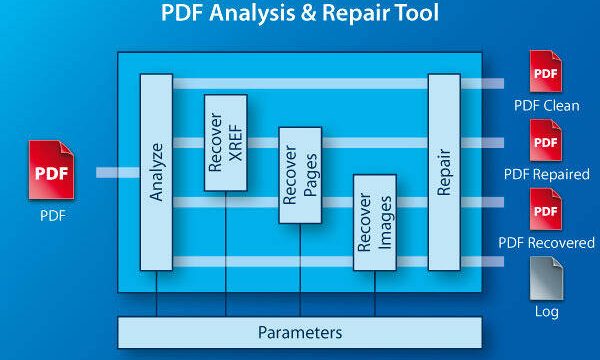
So you’ve got a PDF that won’t open or throws errors when you try to view it. It’s frustrating, especially when that file contains something important like a contract, invoice, or study material. This guide is for anyone—no technical background needed—who wants to get their corrupted PDF back in working order. By the end, you’ll have tried four proven methods: from quick online fixes to command-line tools, and if all else fails, recovering from a backup.
PDF corruption can happen for many reasons: an interrupted download, a crash while saving, a virus, or even a bad sector on a hard drive. But don’t panic—most corrupted PDFs can be fixed. We’ll walk through each step with clear instructions, so you can pick the method that fits your situation.
What You’ll Need
- The corrupted PDF file
- A computer with internet access
- Optional: Adobe Acrobat (paid, but with a free trial)
- Optional: Command-line tools like Ghostscript or qpdf (free)
Step 1: Identify the Corruption Type
Before fixing, figure out what’s wrong. Try opening the PDF in a few different viewers (like Chrome’s built-in PDF viewer, Adobe Reader, or Foxit). Note the error message. Common ones include ‘startxref not found’, ‘File is not a PDF’, or ‘Cross-reference table missing’. This helps you choose the right repair approach. For example, if you see a startxref error, you’ll want to fix startxref pdf error specifically. If the file is completely unrecognized, check out not a pdf or corrupted pdf repair.
Step 2: Use an Online PDF Repair Tool
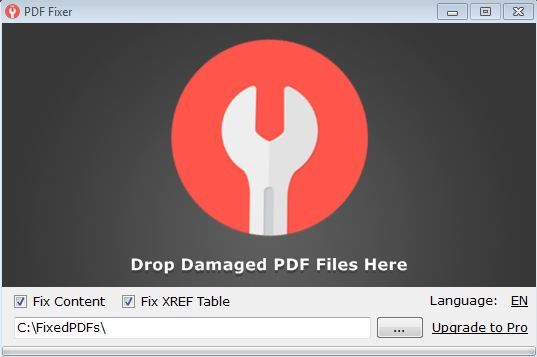
For most people, the quickest fix is an online tool. Go to a trusted site like PDFRepairs.click and upload your corrupted file. Their service can repair pdf instantly online, without any signup. The tool scans the file structure and tries to rebuild missing parts. After processing, download the repaired PDF and open it. This method works for about 80% of simple corruption cases.

Step 3: Repair with Adobe Acrobat Pro
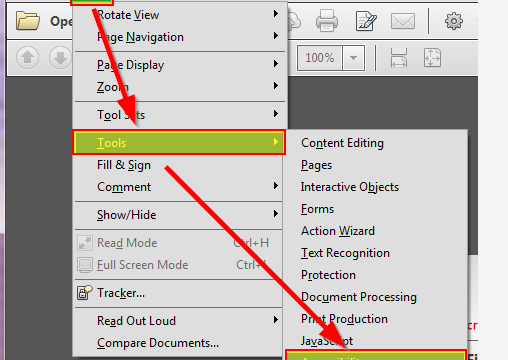
If the online tool fails and you have Adobe Acrobat Pro (or a free trial), use its built-in repair feature. Open Acrobat, go to File > Open, select the corrupted PDF. Acrobat might detect the corruption and offer to repair it automatically. If not, go to File > Open Recent > Repair PDF. This can fix issues like missing resources or broken content streams. For legal documents or contracts, this method is particularly effective—see our guide on recover pdf document for more context.

Step 4: Use Command-Line Tools (Ghostscript or qpdf)
For advanced users, command-line tools offer powerful repair options. With Ghostscript, you can try: gs -o repaired.pdf -sDEVICE=pdfwrite -dPDFSETTINGS=/prepress corrupted.pdf. This decompresses and re-encodes the PDF, often fixing structural errors. Similarly, qpdf’s linearize option can rebuild cross-reference tables: qpdf --linearize corrupted.pdf repaired.pdf. These tools are free and work even on severely damaged files. Broken pdf file recovery often requires this kind of low-level fix.

Step 5: Recover from Backup or Source
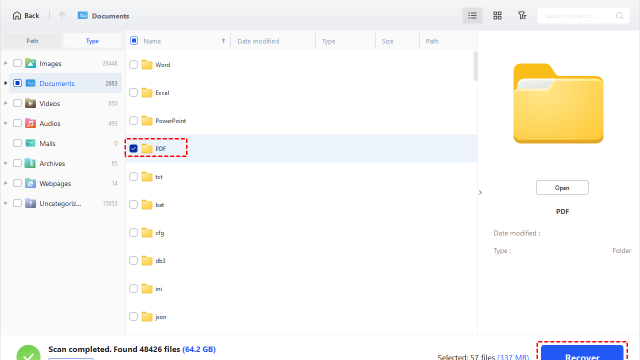
If none of the above works, consider that the PDF might be too damaged to repair programmatically. Your best bet is to recover an earlier version from: a cloud backup (Google Drive, Dropbox), a version history (if you use software with auto-save), or the original source file (e.g., Word document, spreadsheet). Re-exporting the source can give you a fresh PDF without corruption. This is the most reliable fallback.

Common Pitfalls
- Using the wrong repair tool for the error type can waste time. For instance, an online tool won’t fix a structural issue that requires Ghostscript.
- Forgetting to make a backup copy of the original corrupted file before attempting repairs. If something goes wrong, you might lose the chance to try other methods.
- Assuming a repaired PDF is identical to the original. Sometimes content pages, images, or metadata may be lost. Always verify the repaired file is complete and accurate.
Where to Next
Now that you’ve fixed your PDF, you might want to prevent future corruption. Learn how to properly save and backup PDFs. Or explore other common fixes like repairing a huge PDF, restoring metadata, or fixing PDFs exported from PowerPoint. Check out our other guides in the PDF Repair & Tools category for more help.