If you’ve ever tried to upload a PDF only to see a generic error message like “Upload failed” or “File not supported,” you know how frustrating it can be. This guide is for anyone—students, professionals, or casual users—who needs to get a PDF uploaded to a website, job portal, or email attachment without the headache. By the end, you’ll know exactly why upload errors happen and how to fix them, whether the problem is file size, corruption, or browser quirks.
We’ll walk through checks and fixes you can do on your own, no special software required most of the time. You’ll learn to spot the culprit, shrink oversized files, repair minor corruption, and adjust settings so your PDF goes through smoothly. Let’s get that upload working.
What You’ll Need
- The PDF file you’re trying to upload
- A computer or phone with internet access
- A browser (Chrome, Firefox, Edge, or Safari)
- Optional: Adobe Acrobat Reader or a free online PDF tool
- A copy of the PDF saved on your device (never work on the only copy)
Step 1: Check the File Size
Most websites have a file size limit—often 10 MB, 20 MB, or 25 MB. If your PDF exceeds that, the upload will fail. Right-click the file (or tap and hold on mobile) and select Properties (Windows) or Get Info (Mac) to see its size.

If the file is too large, compress it. You can use a free online PDF compressor, or in Adobe Acrobat, go to File > Save As Other > Reduced Size PDF. Try to get under 10 MB if you’re unsure of the limit.
Step 2: Check for Corruption
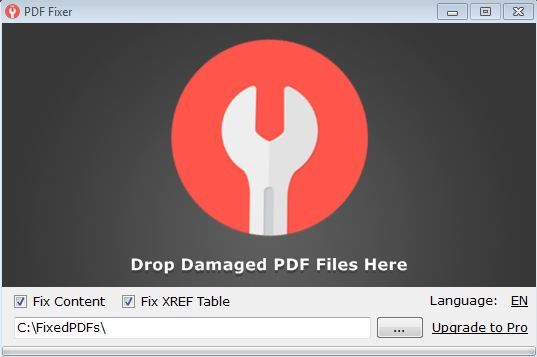
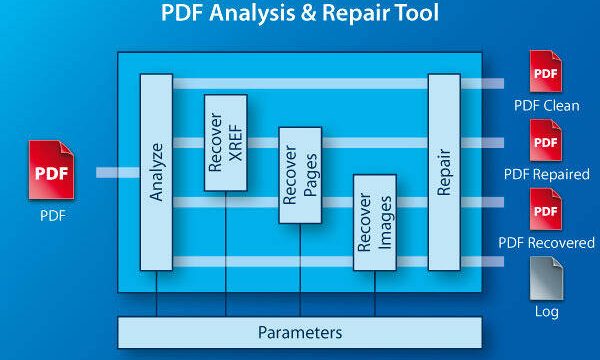
A corrupted PDF can cause upload errors even if the file size is fine. Signs include garbled text, missing pages, or the file not opening at all. Try opening it with a PDF fix tool to repair damage. If you don’t have one, a free online PDF repair service can often fix minor issues.
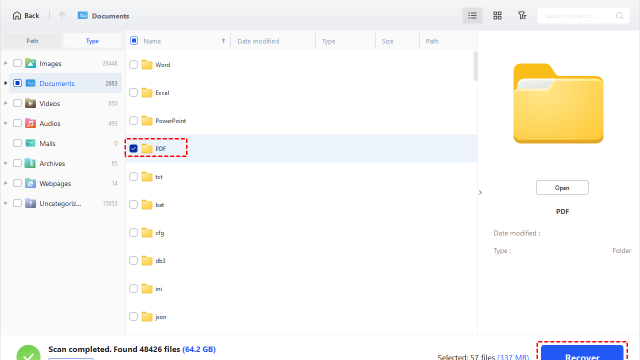
Running the file through a recovery tool can salvage it. If you still get upload errors after repair, the corruption might be deeper—try saving the PDF again from the original source (e.g., re-export from Word or Excel).
Step 3: Re-Save the PDF
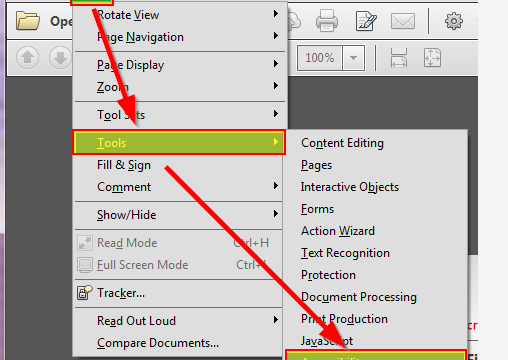
Sometimes the PDF’s internal structure is messy but not fully corrupted. Open it in Adobe Acrobat (or any PDF editor) and choose File > Save As > PDF. This rewrites the file cleanly, often fixing minor glitches that cause upload rejections.

If you don’t have Acrobat, you can use the browser’s print function: open the PDF, hit Ctrl+P (Cmd+P on Mac), and choose “Save as PDF” as the destination. This creates a new, fresh copy.
Step 4: Try a Different Browser or Clear Cache
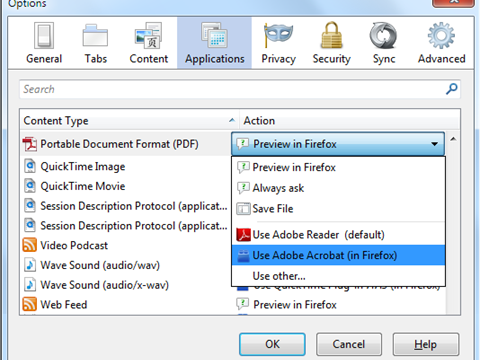
Browser issues can mimic PDF upload errors. Clear your cache and cookies, or try uploading in a different browser. Chrome often handles PDFs well, but sometimes Firefox or Edge works better with specific upload portals.

Also disable any PDF browser extensions temporarily—they might interfere with the upload. If you’re on a work computer, try using Incognito/Private mode to bypass cached glitches.
Step 5: Use an Upload Tester
Still failing? Some websites have hidden issues. Upload the same PDF to a simple file-sharing service (like Dropbox or Google Drive) to see if the file itself is okay. If it works there, the problem is with the target site—contact their support.

If the upload fails everywhere, the PDF is likely corrupt beyond quick repair. Try a PDF recovery tool or rebuild the document from scratch.
Common Pitfalls
- File too large: The most common cause. Always check the size limit before uploading.
- Hidden corruption: A file that opens fine might still have internal errors. Use a PDF fix tool to be sure.
- Browser cache: Stale data can block uploads. Clear cache or try a different browser.
For more advanced troubleshooting, check out our PDF recovery tips or learn how to fix a PDF document that’s damaged beyond a simple re-save. If you need a dedicated tool, a PDF recovery tool can handle severe corruption.
Now you’re equipped to handle most PDF upload errors. Try the steps above, and you’ll likely be back on track in minutes.