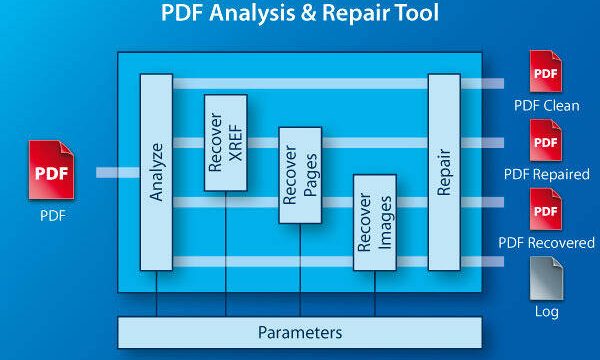
Ever opened a PDF and gotten a jumbled mess, an error about the file being damaged, or a blank page? That’s often a syntax error—the PDF’s internal structure got scrambled. This guide is for anyone who needs to revive a corrupted PDF without expensive software. By the end, you’ll know how to spot common syntax issues, patch them up manually with a hex editor, and use free online tools as backup. Whether you’re dealing with a broken trailer, missing objects, or garbled streams, we’ve got you covered.
We’ll start with a quick overview of what PDF syntax means, then jump into the hands-on steps. You don’t need to be a programmer—just follow along. The methods here have saved countless files for me, and they’ll work for you too.
What You’ll Need
- A corrupted PDF file (the one you want to fix)
- A hex editor (like HxD for Windows, Hex Fiend for Mac, or an online hex viewer)
- A plain text editor (Notepad++ or VS Code—not Word)
- Basic knowledge of PDF structure (optional but helpful)
- An internet connection for backup online tools
Step 1: Assess the Damage
First, open your PDF in a regular viewer (Adobe Reader, browser, etc.). Note the error message. Is it “Root object is missing”, “Trailer not found”, or just garbled content? This tells you where to dig. Next, open the file in a hex editor. Look for the PDF header at the very start—it should be “%PDF-1.x” (like “%PDF-1.7”). If that’s missing or mangled, your file is badly broken. Use the search function to find “trailer” and “xref” keywords. A healthy PDF ends with “%%EOF”. If you see “trailer” but no “%%EOF”, or vice versa, you’ve got a syntax issue.
Step 2: Fix a Missing or Corrupted Header
If the header is missing or incorrect, add it manually. In your hex editor, ensure the very first bytes are “%PDF-1.7” (or whatever version your file originally was—1.4, 1.6, etc.). Don’t add spaces or extra characters. Save and try opening again. If the file still fails, the problem is elsewhere. You can also learn more about header issues in our guide on how to fix pdf header.

Step 3: Repair the Trailer
The trailer is the last section of a PDF and tells the reader where the cross-reference table (xref) starts. A common syntax error is a truncated trailer. In the hex editor, scroll to the end. You should see the word “trailer” followed by key-value pairs like /Size, /Root, /Info, then “startxref”, a number, and finally “%%EOF”. If the trailer is cut off, copy a valid trailer from a known good PDF (same version) and paste it at the end, adjusting the /Size to match the number of objects in your damaged file. This is essentially a repair pdf trailer operation.

Step 4: Rebuild the Cross-Reference Table (xref)
The xref table lists every object’s byte offset. If it’s damaged, your PDF viewer can’t find anything. In a hex editor, locate the “xref” keyword near the end. The xref should start with a line like “0 5” (meaning objects 0-4), then list offsets for each. If the table is missing or garbled, you can rebuild it manually by scanning the file for object patterns like “1 0 obj” and noting their byte positions. That’s tedious—better to use an automated tool. But for simple cases, you can copy a clean xref from a similar PDF and adjust the offsets.
Step 5: Use Online Tools as a Backup
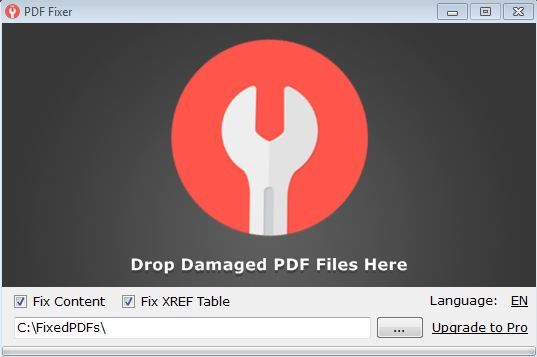
If manual repair feels too heavy, online tools can handle many syntax errors. For example, you can repair pdf after incomplete download using our free online fixer—it re-parses the file and regenerates missing structures. Similarly, for stream-related corruption, try our pdf stream repair guide. These tools are great when you’re short on time or the file is too complex to fix by hand. No watermark, no sign-up.

Step 6: Verify and Iterate
After any fix, open the file in a viewer. If it loads, great! If not, go back and check each element. You might need to fix pdf document multiple times if the file has many issues. Sometimes the error is in the streams (content) itself—refer to our guide on repair damaged pdf for deeper stream-level fixes. Patience is key.
Common Pitfalls
- Accidentally changing the file size: When editing in hex, adding or removing bytes shifts all offsets. Always adjust the xref /Size and startxref accordingly, or use a program that does this automatically.
- Assuming one fix fits all: Syntax errors vary. A missing header fix won’t help a corrupted stream. Diagnose the exact error before diving in.
- Forgetting to backup: Always work on a copy. One wrong byte can make the file unrecoverable even by professionals.
Where to Next
You’ve just learned the basics of PDF syntax repair. For more targeted help, explore our guides on specific issues like missing root objects, form fields, or scanned files. And if you ever want to automate repairs, check out using a PDF repair library in your own scripts. Happy fixing!