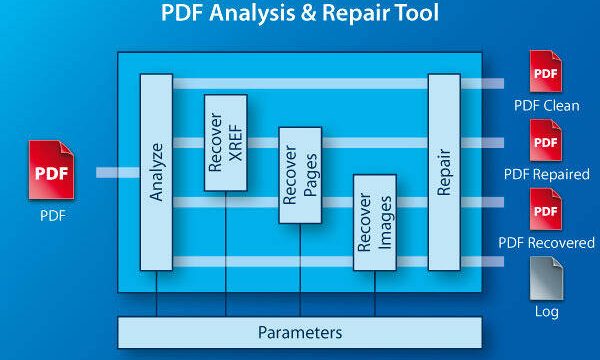
Ever needed a PDF from an email, only to find it’s gone missing, won’t open, or looks like a mess of random characters? Whether you accidentally deleted the email, the attachment didn’t download properly, or the file arrived corrupted, this guide is for you. I’ll walk you through several methods to recover that PDF, from simple email tricks to using PDF repair tools. By the end, you’ll have a working PDF file on your computer.
This tutorial covers Gmail, Outlook (both web and desktop), and other common email services. I assume you’re comfortable navigating your email settings and downloading files. No advanced tech skills needed. Let’s get that PDF back.
What You’ll Need
- Access to your email account (Gmail, Outlook, etc.)
- A computer or mobile device with internet connection
- Adobe Acrobat Reader (or another PDF viewer) installed
- Optional: A PDF repair tool (Adobe Acrobat Pro or free alternatives like Mutool)
Step 1: Check Your Email’s Trash or Deleted Items
If you deleted the email by accident, it’s often sitting in the Trash folder. In Gmail, click “More” on the left sidebar, then “Trash”. Find the email with the PDF attachment, select it, and click the “Move to Inbox” icon. In Outlook web, go to “Deleted Items”, select the email, and choose “Restore”. If your email provider has a recovery tool (like Microsoft’s “Recover Deleted Items”), try that too.

Still can’t find it? Sometimes emails are automatically removed from Trash after 30 days. In that case, you might need to contact your email provider or use a third-party recovery service (not recommended for sensitive files). You can also ask the sender to resend—but first, check the Spam folder just in case.
Step 2: Re-Download the Attachment (Fix Corrupted Downloads)
Sometimes the PDF is fine on the server but got corrupted during download—maybe due to an interrupted connection or browser glitch. Try downloading the attachment again. Use a different browser (e.g., Chrome vs Firefox) or clear your browser’s cache first. In Gmail, open the email, hover over the attachment, and click the download arrow. In Outlook, click the attachment and choose “Download”. If the file still looks garbled, proceed to Step 3.

Step 3: Use Your Email’s “Show Original” Option
Gmail and some other services let you view the raw email data. This can help if the attachment is embedded in a weird format. In Gmail, open the email, click the three dots (More), and select “Show original”. A new tab opens with the raw MIME code. Look for a section starting with “Content-Type: application/pdf” and copy the base64-encoded text. You can decode it online (search for “base64 to PDF”) to reconstruct the file. This method works even if the attachment doesn’t display properly.
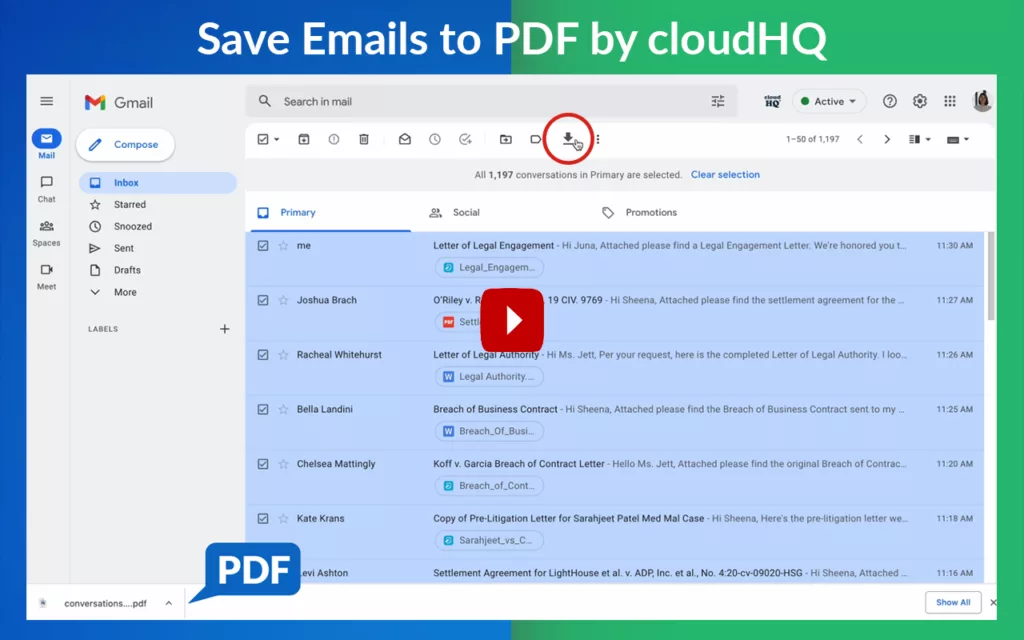
Step 4: Repair the Corrupted PDF with a Tool
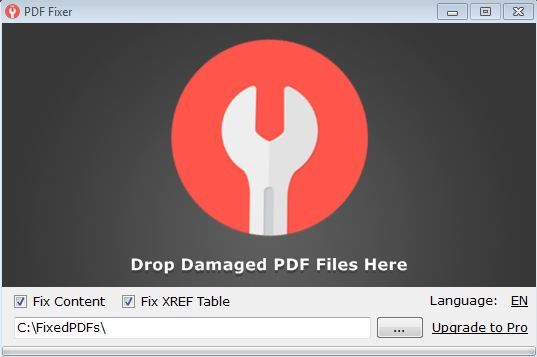
If the PDF downloaded fine but won’t open, it might be corrupted. First, use a PDF viewer like Adobe Acrobat Reader to see if it offers to repair automatically. Adobe Acrobat Pro has a built-in repair: open the file, go to File > Properties, and if it’s damaged, you’ll see a prompt. If you don’t have Acrobat Pro, try a free alternative. You can repair a PDF using the free Mutool tool—it’s command-line but straightforward. If you prefer a GUI, try an online repair service (but be cautious with sensitive data).

If the repair fails, you might still recover the content. Use a tool that can extract text or images from a damaged PDF. For example, you can extract readable text from a corrupted PDF using command-line tools like pdftotext.
Step 5: Recover Specific Pages from the PDF
Sometimes only part of the PDF is damaged. If you can open the file partially, you might be able to recover specific pages from a damaged PDF by using a tool like Adobe Acrobat’s “Split Document” feature or a free online splitter. Save the readable pages as a new PDF. If the entire file is unreadable, skip to Step 6.

Step 6: Ask the Sender to Resend (and Check Spam)
If none of the above works, the problem might be on the sender’s end—the original file could be corrupted or the email got mangled in transit. Politely ask the sender to resend the PDF as a fresh attachment. Before that, double-check your Spam or Junk folder—sometimes legitimate attachments get flagged. If you’re the sender, try compressing the PDF or using a different email service.
Common Pitfalls
- Permanent deletion: If you emptied the Trash or your email provider purged it, recovery may be impossible without a backup.
- Sender-side corruption: If the original PDF is damaged, no amount of email magic will fix it—the sender needs to re-create it.
- Unsafe third-party tools: Be wary of “free PDF recovery” downloads that could contain malware. Stick to reputable tools like Adobe or open-source Mutool.
Where to Next
Now that you’ve recovered your PDF, it’s a good idea to learn how to detect if your PDF is actually corrupted so you can prevent future headaches. If you only got parts of the file back, check out how to recover specific pages from a damaged PDF. And if you often deal with problematic attachments, knowing how to fix a PDF that won’t open is a must.