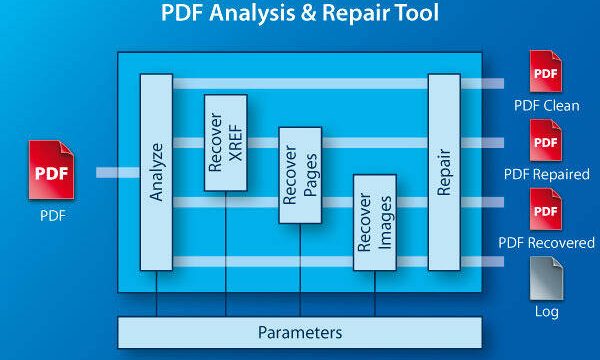
So you’ve got a PDF that just won’t open? Or maybe it opens but looks like scrambled garbage? Don’t panic—this happens more often than you’d think. This guide is for anyone who needs to get their PDF back without spending a dime. By the end, you’ll have a usable, readable PDF recovered using free online tools.
The best part? You don’t need to install any software. All the tools we’ll use run right in your browser. Whether your file is completely dead or just showing garbled text, these steps will help you salvage your document. Let’s dive in.
What You’ll Need
- A working internet connection
- A modern web browser (Chrome, Firefox, Edge, Safari)
- The corrupted PDF file (or a backup copy if you have one)
- A little patience—free tools can be slower than paid ones
Step 1: Assess the Damage
Before we try anything, take a moment to see how bad the problem is. Try opening the PDF in your browser or a free reader like Adobe Acrobat Reader. Note any error messages. Is it a blank page? Does it say ‘file is damaged’? This will help you choose the right tool later. If you have a partially corrupted PDF, the repair method is slightly different—our guide on recovering partially corrupted PDF covers that.
Step 2: Choose a Free Online PDF Recovery Tool
There are several trustworthy free online PDF repair services. I recommend starting with one of these: Smallpdf, iLovePDF, or PDF24. All three have free tiers that let you repair up to a certain file size. Head to their websites and look for the ‘Repair PDF’ or ‘Fix PDF’ option. If you’re looking for more options, check out our article on free PDF repair.
Step 3: Upload Your PDF
On the tool’s page, click the ‘Choose File’ or ‘Upload’ button. Select the corrupted PDF from your computer. Most free tools have a file size limit (often around 100–200 MB). If your file is larger, you may need to compress it first or use a desktop tool. Once uploaded, the tool will analyze the file.
Step 4: Repair and Download
After the upload is complete, click the ‘Repair’ or ‘Start’ button. The tool will process your file—this can take a minute or two for larger PDFs. When it’s done, you’ll see a ‘Download’ button. Save the repaired file to your computer. Make sure to rename it so you don’t overwrite the original. For a more detailed approach to PDF corruption recovery, see our step-by-step guide.
Step 5: Verify the Recovered PDF
Now open the repaired PDF and check if the content looks right. Scroll through all pages, verify text, images, and layout. If it looks good, you’re done! If not, you can try another tool from the list or try a different approach like the corrupted PDF solution in our complete guide. Sometimes you need to try two or three tools to get a perfect result.
Common Pitfalls
- Not saving the original backup. Always keep the original corrupted file in case the repair makes things worse.
- Using unreliable websites that might compromise your privacy. Stick to well-known services like Smallpdf, iLovePDF, or PDF24.
- Expecting a miracle for severely damaged files. If the PDF is physically damaged (e.g., from a bad disk), online tools may not be enough. In that case, consider a desktop tool. If you need to recover PDF without Acrobat, we have a guide for that too.
Where to Next
If the online tools didn’t work, don’t give up. You can try offline methods like using a dedicated PDF repair software (many have free trials). Also check out our guide on how to repair a PDF for free for more options. Remember, preventing corruption is easier than fixing it, so always keep backups!