We’ve all been there: you’re downloading an important PDF and the connection drops halfway. The file seems to exist, but when you open it, you get an error message like ‘File is corrupted’ or ‘PDF viewer cannot open file’. Don’t panic—this is usually fixable. This guide is for anyone who has a PDF that was interrupted during download. By the end, you’ll have a working file you can open and read, using free tools that run on Windows, Mac, or Linux.
I’ll walk you through several methods, from simple re-downloads to command-line repairs. You’ll learn how to assess the damage and apply the right fix. If you’ve ever wondered how to handle a partial download, this post is for you.
What You’ll Need
- The partially downloaded PDF file (don’t delete it yet!)
- A browser that can resume downloads (Chrome, Firefox, Edge all work)
- Optional: qpdf (free command-line tool) for structural repair
- Optional: Mutool (part of MuPDF) for cleaning up malformed content
- A backup of the file if possible (copy it before you start)
Most of these tools are small and easy to install. I’ll include links to download them. If you’re not comfortable with the command line, there’s also an online method at the end.
Step 1: Try to Resume or Re-Download the PDF
Before diving into repairs, check if your browser can resume the download. This works if you still have the temporary file. Open your download manager (usually Ctrl+J on Windows, Cmd+J on Mac), find the failed entry, and click ‘Resume’. If the server supports resuming, it’ll pick up where it left off. If not, delete the partial file and download it again from a stable connection.

If re-downloading isn’t an option (e.g., the original source is down), move to the next step.
Step 2: Repair the PDF Structure with qpdf
qpdf is a free, powerful tool that can fix many structural issues in corrupt PDFs. Download it from the official site (sourceforge.net/projects/qpdf). Install it, then open a terminal or command prompt.
Run this command: qpdf --linearize --replace-input yourfile.pdf. The --linearize flag restructures the PDF for fast web viewing and often repairs broken cross-reference tables. qpdf also checks for syntax errors and fixes them. If the file is badly truncated, qpdf may still be able to extract readable content.

After running, try opening the file. If it works, you’re done! If not, proceed to Step 3.
Step 3: Clean Up with Mutool
Mutool comes with MuPDF, another free tool. Download it from mupdf.com. Once installed, use the command: mutool clean -s yourfile.pdf output.pdf. The -s flag sanitizes the PDF, removing corrupted objects and normalizing the structure. This is great for files that got mangled mid-download.

Open output.pdf and check if it’s readable. Mutool is especially effective for PDFs that open partially or show garbled text.
Step 4: Try an Online Repair Service (No Install)
If you’d rather not install anything, use a free online PDF repair tool like iLovePDF or PDF24. Upload your file—they’ll attempt to reconstruct it. Keep in mind that uploads may have size limits, and your file’s privacy isn’t guaranteed. For sensitive documents, stick to offline tools.

After repair, download the result and verify it opens. This method works best when the damage is at the end of the file (common with failed downloads).
Common Pitfalls
- Pitfall 1: Re-downloading the same broken file. If the source server is flaky, you might get the same corruption. Try downloading from a different mirror or use a download manager that supports multi-part downloads.
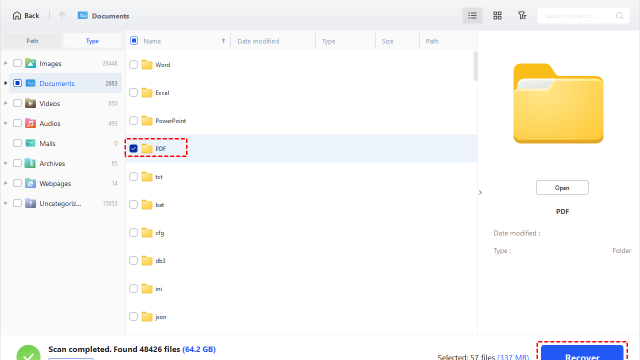
- Pitfall 2: The file becomes 0KB after repair. If your original partial file is very small (e.g., only the PDF header), repair tools have nothing to work with. In that case, check your browser’s cache or try a 0KB PDF recovery method.
- Pitfall 3: Tools not found in PATH. After installing qpdf or Mutool, make sure you can run them from any directory. On Windows, you may need to add the install folder to your system PATH or navigate to the tool’s folder in the terminal.
If you run into a truly broken file where nothing works, consider that the download may have saved only a few bytes. In that scenario, your best bet is to locate the original source and re-download.
Where to Next
Now that you’ve rescued your PDF, you might run into other issues. If your file still looks weird, check out our guide on unreadable PDF repair. For command-line enthusiasts, qpdf has many more tricks—see our dedicated post. And if you ever face a 0KB file, our 0KB PDF recovery guide can help. We also cover recovering PDF email attachments and PDF repair alternatives if you need different tools.